NewsBy FilmFocus
LomoChrome Classicolor 200 Arrives in 120, Priced the Same as 35mm at ¥1,580 a Roll
This is an AI translation of an article originally published in Japanese. If anything reads oddly, the Japanese original is the authoritative version.
Lomography's LomoChrome Classicolor 200 color negative film is now available in 120. Lomography Japan announced on October 20 that domestic sales had begun, with a price of ¥1,580 per roll (tax included), the same as the 35mm version. The 120 format had been listed as "coming soon" since the film was announced in October 2025, and following the 110 version in March 2026, all three formats (35mm, 110 and 120) are now available, about a year after launch.
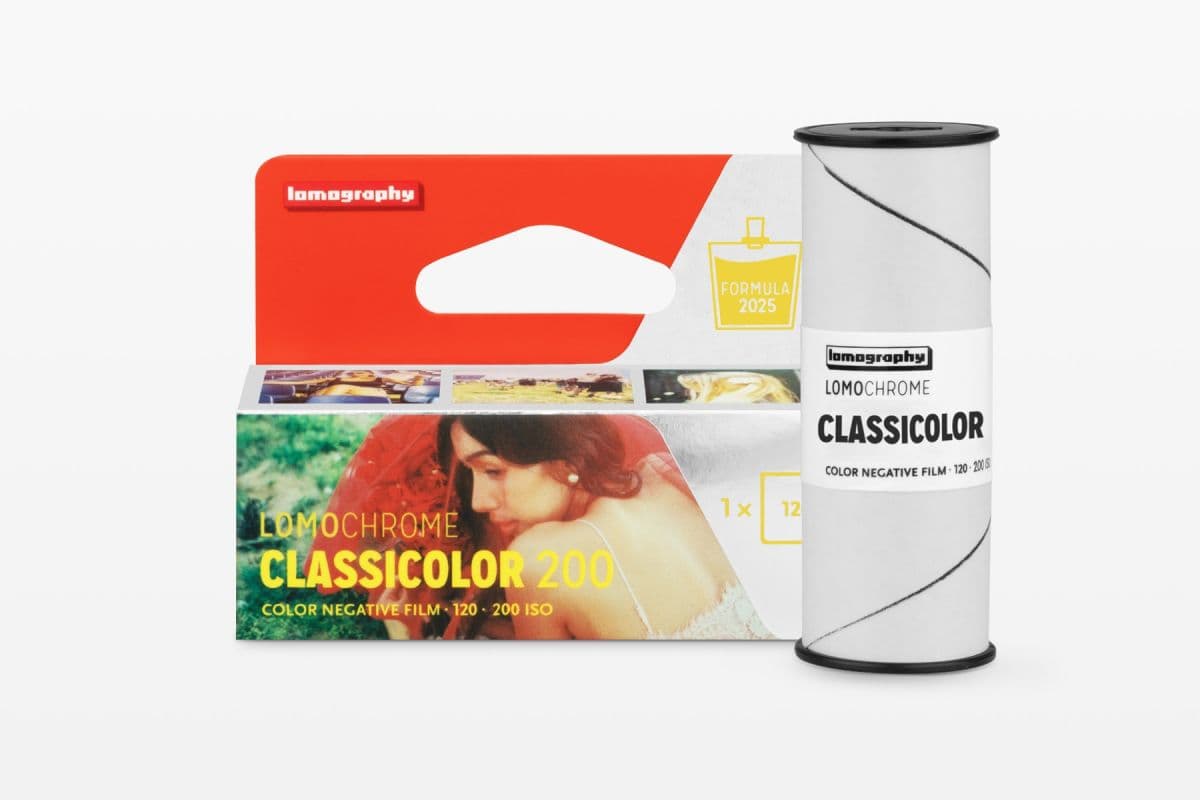 Source: shop.lomography.com
- LomoChrome Classicolor 120 ISO 200 – Lomography
- Lomography launches LomoChrome Classicolor 200 colour negative film – Kosmo Foto
お待たせしました!LomoChrome Classicolor 120の販売がスタート‼️
— Lomography Japan (@lomographyjapan) October 20, 2026
フィルムらしい粒状感を残しながら、現時に忠実な描写を実現し、ISO感度200で汎用性が高いカラーフィルムです🎞️
価格は35mmと同じ1,580円 (税込) となります。
https://t.co/FR6CSMfGCZ pic.twitter.com/omsKsWBNGj
A LomoChrome that doesn't shift colors dramatically
LomoChrome is known as a series of films that shift colors dramatically, like Purple, which turns greens purple, and Turquoise, which tints scenes blue and orange. Classicolor carries the same name but has a different aim. The press release at launch described it as a "regular color negative film," saying colors stay close to what you see, skin takes on a slight warmth, reds come out vivid, and blues and greens render cleanly. Grain is described as "medium."
In 35mm and 120, Lomography's regular color negative lineup consisted of three films, Color Negative 100 / 400 / 800, with nothing at ISO 200 (in 110 there is the ISO 200 Tiger). Classicolor also fills that gap in the range.
The packaging carries a "FORMULA 2025" mark. The press release called it a "limited edition 2025 formula," but the overseas film site analog.cafe interprets this not as meaning it will be discontinued next year, but that the contents may change from batch to batch. According to the site, LomoChrome Metropolis also looks different between its first batch and current stock.
Specs and pricing
The film is developed in standard C-41 (CN-16), just like ordinary color negative, so you can drop it off at any local photo shop or lab. The number of exposures on 120 depends on your camera's frame size: 16 on 6×4.5, 12 on 6×6 and 10 on 6×7. The 35mm version (36 exposures) is DX-coded.
| Format | Japan (tax incl.) | US |
|---|---|---|
| 120 | ¥1,580 | $11.90 |
| 35mm (36 exp.) | ¥1,580 | $11.90 |
| 110 | ¥1,280 | $9.90 |
Prices are as listed on the official store as of October 20. Compared with the other Lomography 120 color negative films sold on the Japanese official store, Classicolor is on the cheaper side. Color Negative in 120, as single rolls, costs ¥2,080 for ISO 100, ¥2,280 for ISO 400 and ¥2,480 for ISO 800. Among LomoChrome 120 films, Purple and Metropolis are ¥1,480 and Turquoise is ¥1,610, so Classicolor sits in between.
English-language reviews: vivid in sunshine, grain on the coarse side for ISO 200
About a year has passed since the 35mm version came out, and several reviews have appeared in English.
The US lab The Darkroom went out shooting without looking at any sample images or specs, and gave the film 3 out of 5. In overcast or flat light, colors are muted and restrained; in sunshine, saturation rises and colors become much more vivid. Contrast is medium to low, with detail retained in both highlights and shadows. On grain, the review says it is "more noticeable than expected for ISO 200, especially in 35mm," but takes it as an intentional character rather than a flaw. The film also has enough latitude to handle pushing and pulling, and the review describes the way it changes with the light as "unpredictable in a good way."
Dmitri, who runs the aforementioned analog.cafe, looked at sample images provided by Lomography on the day of the announcement and observed that "the colors are rich, the contrast high, and the shadows lean toward red and orange." He also wrote that the red shadows and the grain reminded him of NC200, made by Germany's ORWO. NC200 is sold under names such as KONO Color 200 and OptiColour 200. He added, however, that it doesn't have to be the same film, and that it doesn't really matter.
The UK's Kosmo Foto, in its March 2026 article on the 110 release, also wrote that Classicolor appears to be made by ORWO and may be an early version of NC200. Lomography itself has not disclosed the manufacturer, and all of this remains speculation. Incidentally, analog.cafe's review of NC200 sold as KONO Color 200 described it as warm-leaning, medium-to-low contrast, and grainy for an ISO 200 color negative, which overlaps in part with The Darkroom's impressions of Classicolor.
As for exposure, Lomography has published a test bracketing one stop at a time in its official magazine. At ISO 100 (one stop over), the results had a warm, faded look; at ISO 200, colors were closest to neutral; and at ISO 400 (one stop under), skies became deeper and the whole image sank into darkness.
Early 120 samples: "much finer than 35mm"
We haven't yet found any independent review of the 120 version. What's available for now are interviews with early testers published in Lomography's official magazine in October. Since this is the manufacturer's own outlet, that has to be taken into account, but the interviews do include specific comments that aren't all positive.
Nick Collingwood, who shot portraits during the evening golden hour in Brooklyn, New York, says the scans came out a little flat, but adding a bit of contrast gave soft, warm tones. Overall colors are subdued compared with punchier films, but reds and yellows stand out, and being medium format, the grain is much finer than in 35mm. He shot half a stop over this time and it worked well, but since overexposure can sometimes make highlights break down, he advises shooting at ISO 200.
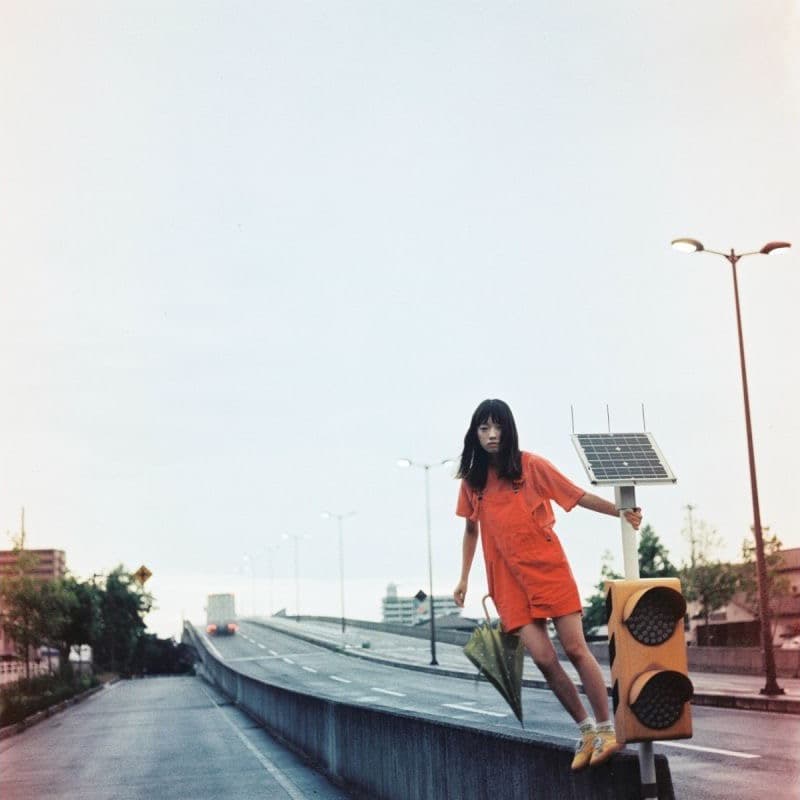 A 120 sample image on the official store (source: shop.lomography.com)
Isabella Rose Young, who used a 6×6 Rolleiflex Magic II twin-lens reflex in New Zealand and has also shot the 35mm version, says the larger negative lets you enjoy the grain texture in finer detail, and the softness felt even more painterly. What she likes is the color harmony when purple creeps into parts of the shadows and combines with blues and oranges.
New films day after day
Just yesterday we covered NEO, a new Marix series using Kodak's remjet-free Vision3. The 35mm version's announcement a year ago also came the day after Eastman Kodak announced Kodacolor 100 / 200. New film news keeps coming.
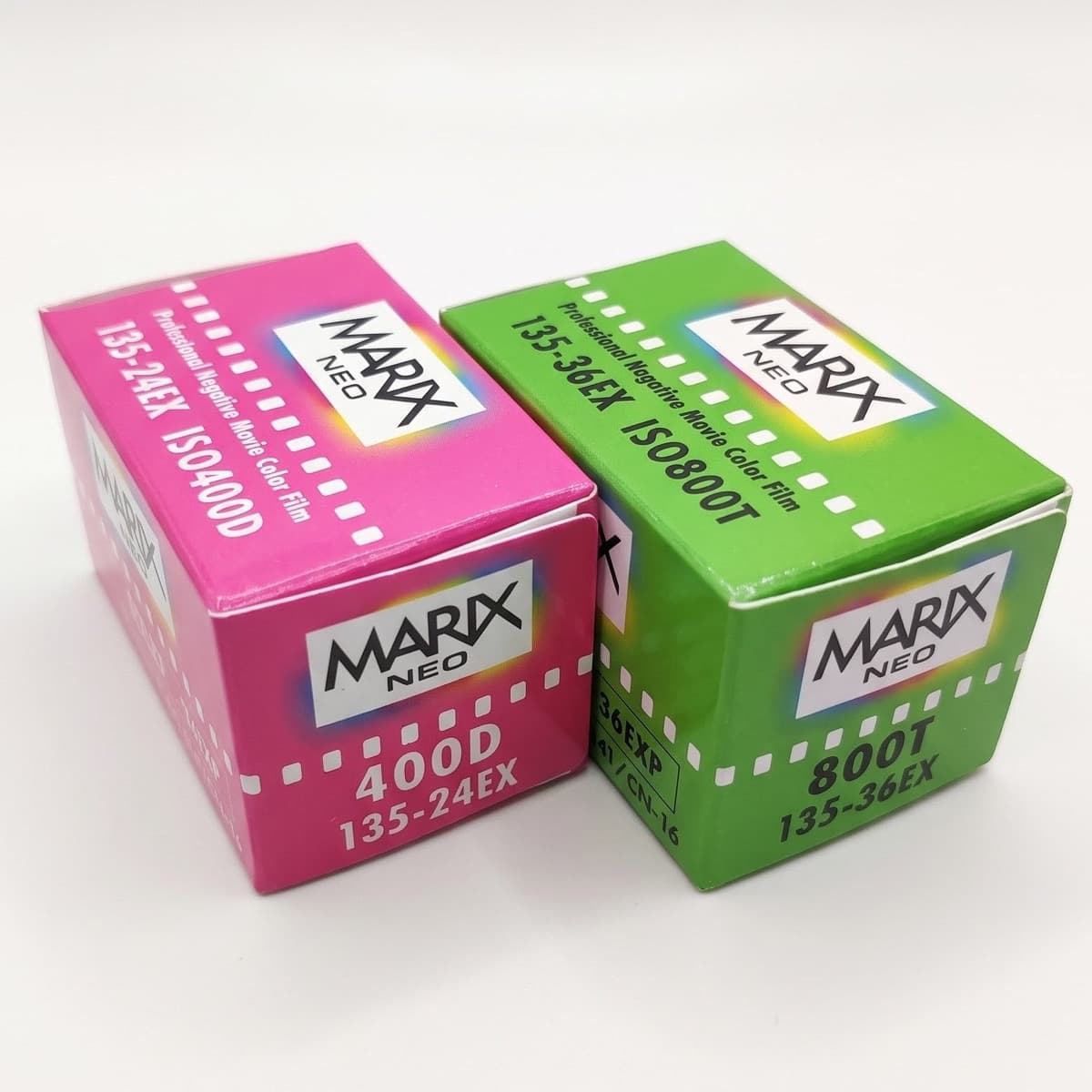 Marix Launches "NEO" 35mm Film, Based on Remjet-Free Kodak Vision3Film brand Marix (マリックス) has announced a new series called NEO. It takes the new…FilmFocus