ResearchBy FilmFocus
Kodak Overtakes Fujifilm as the Most-Used Brand: Results of the 2025 Film Photography Survey
This is an AI translation of an article originally published in Japanese. If anything reads oddly, the Japanese original is the authoritative version.
1. Introduction
From November 30 to December 31, 2025, FilmFocus ran the "Film Photography Survey 2025." The survey was conducted through an online form and received 1,359 responses in total. After excluding responses suspected to be duplicates, 1,337 valid responses were tallied. That is about 1.7 times last year's 802 valid responses. This report organizes the survey results as statistical data and adds comparisons with, and discussion of, last year's results.
Before publication, an outside party pointed out the possibility of duplicate responses. After investigating, we excluded 22 responses suspected to be duplicates from the same respondent. Because we took time to verify and scrutinize the data, this report is being published later than originally planned. We thank the person who raised the issue, as well as everyone who has been looking forward to the results.
We would also like to sincerely thank everyone who took part in the survey, everyone who shared and spread the word about it, and everyone who offered advice on the survey.
We are also deeply grateful to the Naniwa Group (ナニワグループ) for sponsoring this survey.
2. Background
In 2024, FilmFocus conducted its first "Film Photography Attitudes Survey" and reported on the state of film users in Japan (Film Photography Attitudes Survey 2024 Results Report). It is still the case that there is no widely accessible, regularly repeated survey of film photography in Japan. For this second edition, we kept last year's questions at the core while adding new ones, such as how people choose a development lab. With two years of data now available, we can track changes in the film photography landscape over time.
3. Summary of Results
-
Film usage was flat compared with last year. By rough estimate, 35mm users shot an average of 13.9 rolls a year (13.7 last year) and 120 users shot 7.0 rolls (6.9 last year). The breakdown of development methods (lab 67%, both 25%, home development 8%) was also nearly identical to last year. (Results 4-5, 4-10)
-
Kodak was used by 71% of respondents, overtaking last year's leader Fujifilm (68%). Usage rates for the major brands fell across the board, with usage spreading to other brands such as Kentmere (16%), which was added as an option this year. The average number of brands used in a year fell from 3.0 to 2.2. (Results 4-7)
-
28% said they had used film more often over the past year, slightly outnumbering the 26% who said they had used it less, the same pattern as last year (30% more, 27% less). By length of experience, however, 49% of those with less than a year of experience said "more," while 40% of those with 10+ years said "less," pointing to a polarization between newcomers and veterans. Once again, "cost" was the top reason for shooting less, at 62%. (Results 4-6)
-
In a new question about what matters when choosing a lab, "development and scan quality" was ranked first by the most respondents (41%), ahead of "price" (24%) and "location" (20%). (Results 4-11)
-
Film users' value scores changed by no more than ±0.2 from last year on all seven items. The character of the film community remained stable over the year. (Results 4-9)
4. Results
4-1. How People Got Into Film Photography
As last year, the trends differed sharply by length of experience. Among those who started film photography within the past year, "internet/social media" (36%) was the most common answer, followed by "friends/clubs" (27%). In the 10+ years group, "film was the only option" was the most common at 41%, the same pattern as last year.
This year, free-text answers made up about 20% of all responses (included under "Other" in the chart). They described a wide range of starting points, such as "my late grandfather's camera," "the release of the PENTAX 17," "an extension of using old lenses," and "I got tired of digital," suggesting that family heirlooms and new product launches serve as entry points.
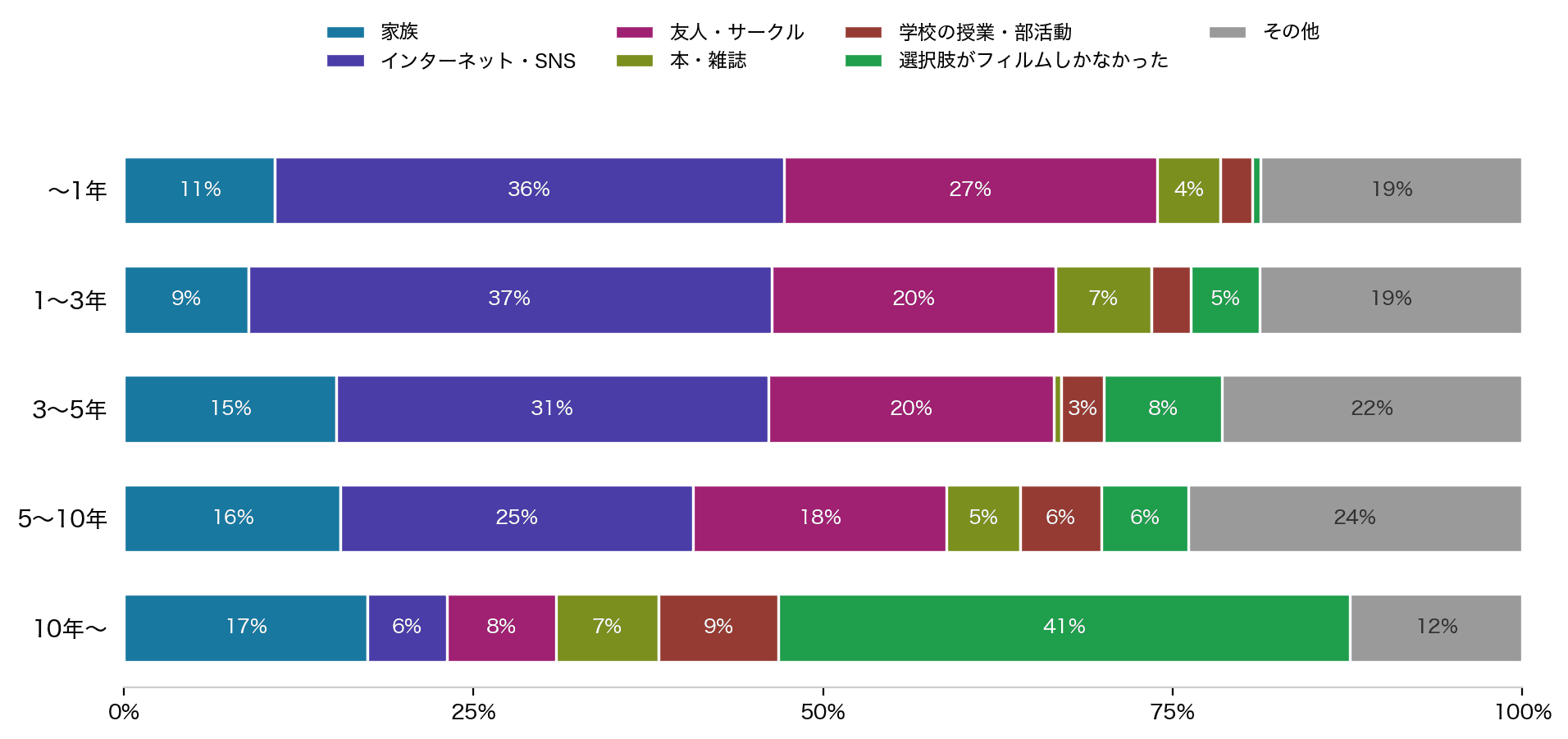 Figure 1: How people got into film photography, by years of experience (single answer)
4-2. What People Like About Film Photography
In this multiple-answer question, the top answers overall were "I like the distinctive look of film photos" (58%), "I like the characteristics of film cameras" (53%), and "the excitement of waiting for the photos" (52%). As last year, the share citing "the enjoyment of developing and printing" rose with experience (14% for under 1 year to 40% for 10+ years), again showing how people "discover" the pleasures of developing and printing as they keep shooting film.
Meanwhile, "a chance to step away from the digital world" was higher among less experienced users (22% for under 1 year, 10% for 10+ years), also in line with last year.
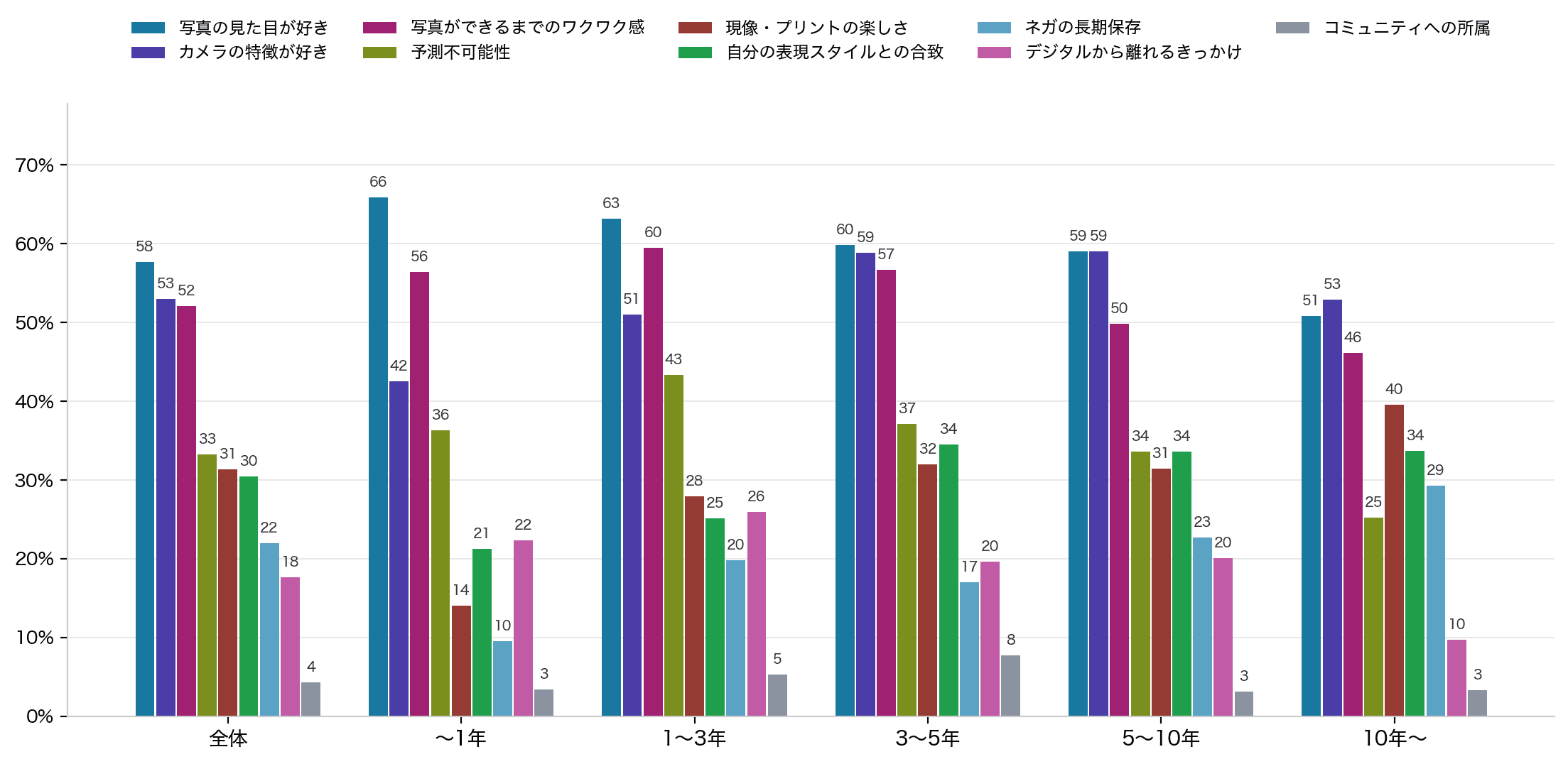 Figure 2: What people like about film photography, by years of experience (multiple answers)
4-3. Where People Get Information About Film Photography
As last year, "social media" (66%) was the most-used information source regardless of experience. It was followed by "websites other than manufacturers/brands" (39%) and "manufacturer/brand websites" (30%). Last year, among those with 10+ years of experience, official manufacturer sites overtook unofficial sites; this year the two were nearly even, at 34% official and 36% unofficial.
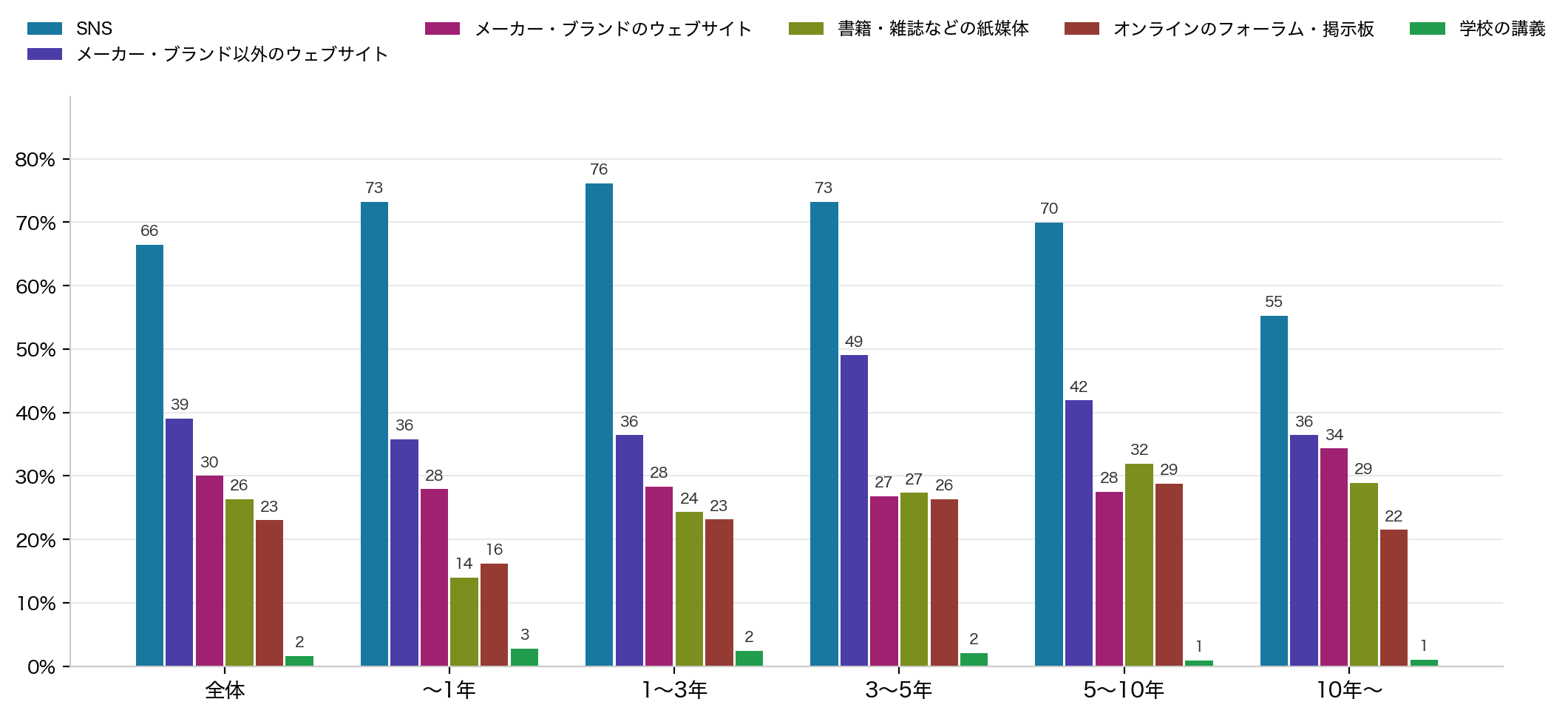 Figure 3: Sources of information on film photography, by years of experience (multiple answers)
4-4. Types of Film Used in the Past Year
This year we added a question on the types of film used (by development process). After color negative (C-41) at 82%, black-and-white film showed a high usage rate of 61%. With color film prices continuing to rise, relatively inexpensive black-and-white film is clearly on many users' radar. Reversal (E-6) was used by 28%, and motion picture film (ECN-2) by 7%.
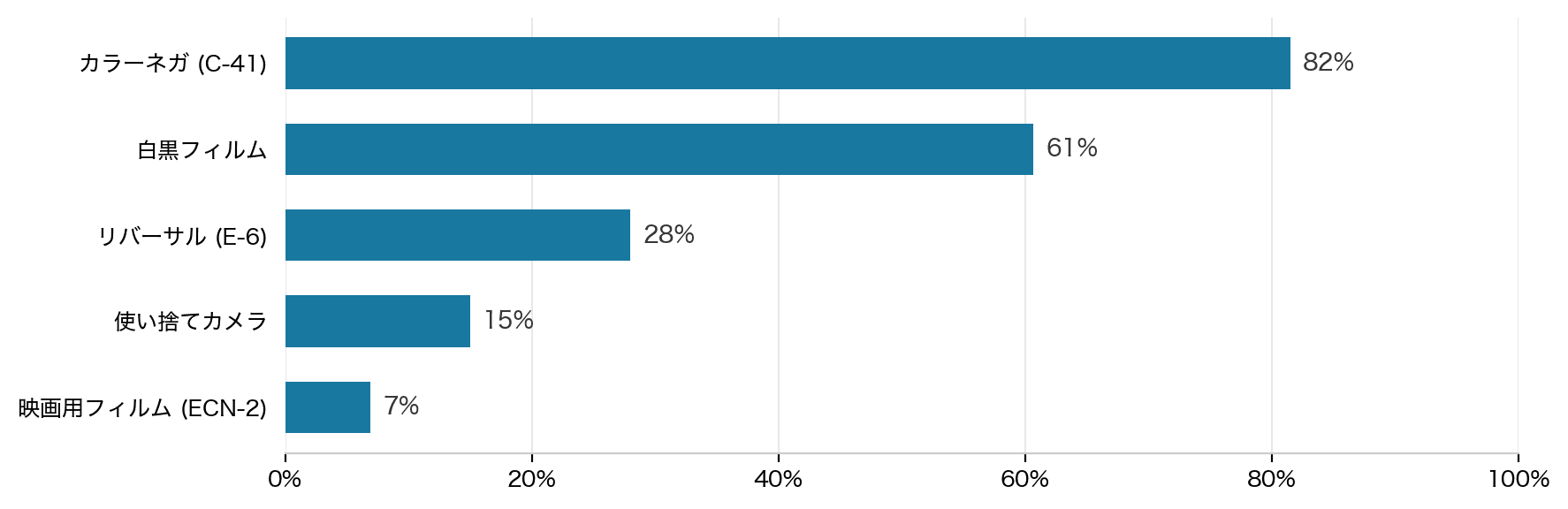 Figure 4: Types of film used in the past year (multiple answers)
4-5. Film Formats and Number of Rolls Used in the Past Year
Asked about the formats and number of rolls they used over the past year, 95% of respondents had used at least one roll of 35mm film and 53% at least one roll of 120 film. 18% had used disposable cameras and 10% sheet film.
Based on a rough estimate from the responses, film users shot an average of about 13.9 rolls of 35mm and about 7.0 rolls of 120 per year, nearly unchanged from last year (about 13.7 rolls of 35mm and 6.9 rolls of 120). The share of heavy users shooting 50 or more rolls of 35mm a year was 6%, the same level as last year. Despite continued price increases, those who keep shooting film have not reduced how much they shoot.
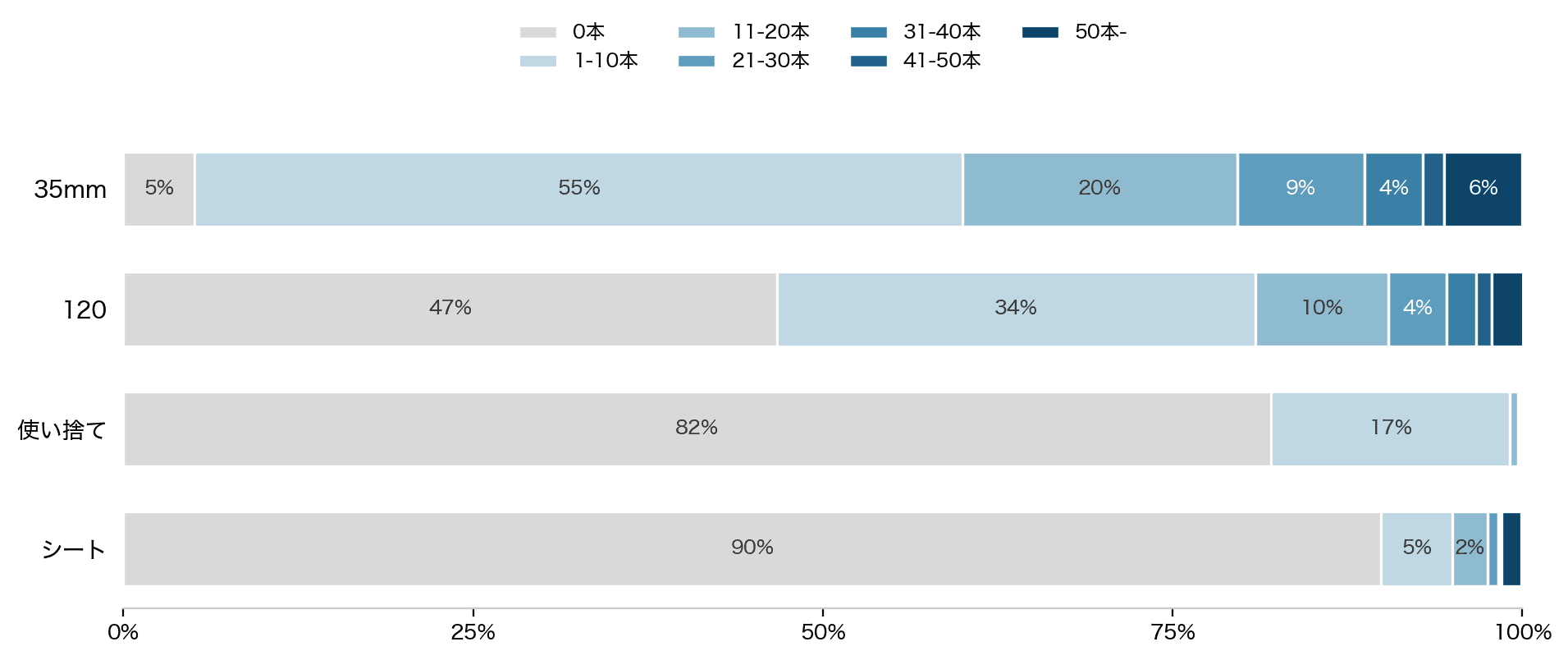 Figure 5: Film formats and number of rolls used in the past year
4-6. Changes in How Often People Use Film, and Why
28% said they used film more often over the past year, and 26% said less often. As last year (30% more, 27% less), "more" came out slightly ahead.
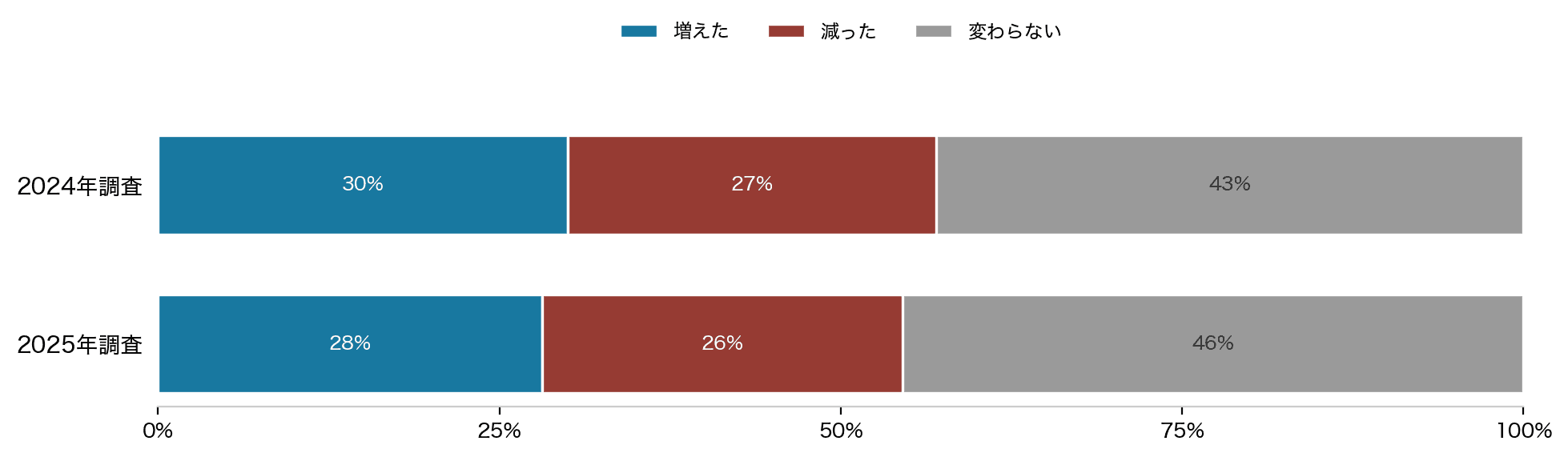 Figure 6: Change in how often people use film (compared with the 2024 survey)
Broken down by experience, however, the picture looks very different. Among those with less than a year of experience, 49% said "more" and 6% "less," while among those with 10+ years, 15% said "more" and 40% "less." Newcomers are shooting more, while those who have shot film the longest appear to be cutting back under the pressure of rising costs.
In free-text answers about the reasons, the most common reason for shooting more was, as last year, "buying or acquiring a new camera" (19%), followed by "getting hooked on the fun" and "recently started or returned to film" (14% each). On the other hand, "cost" (62%) was again by far the leading reason for shooting less (70% last year).
4-7. Film Brands Used in the Past Year
We asked which film brands respondents had used over the past year (multiple answers). This year Kodak (71%) edged out Fujifilm (68%), swapping places at the top compared with last year's survey. Ilford was used by 41%, Lomography by 30%, and CineStill by 12%. Kentmere, newly added as an option this year, was used by 16%, more than CineStill.
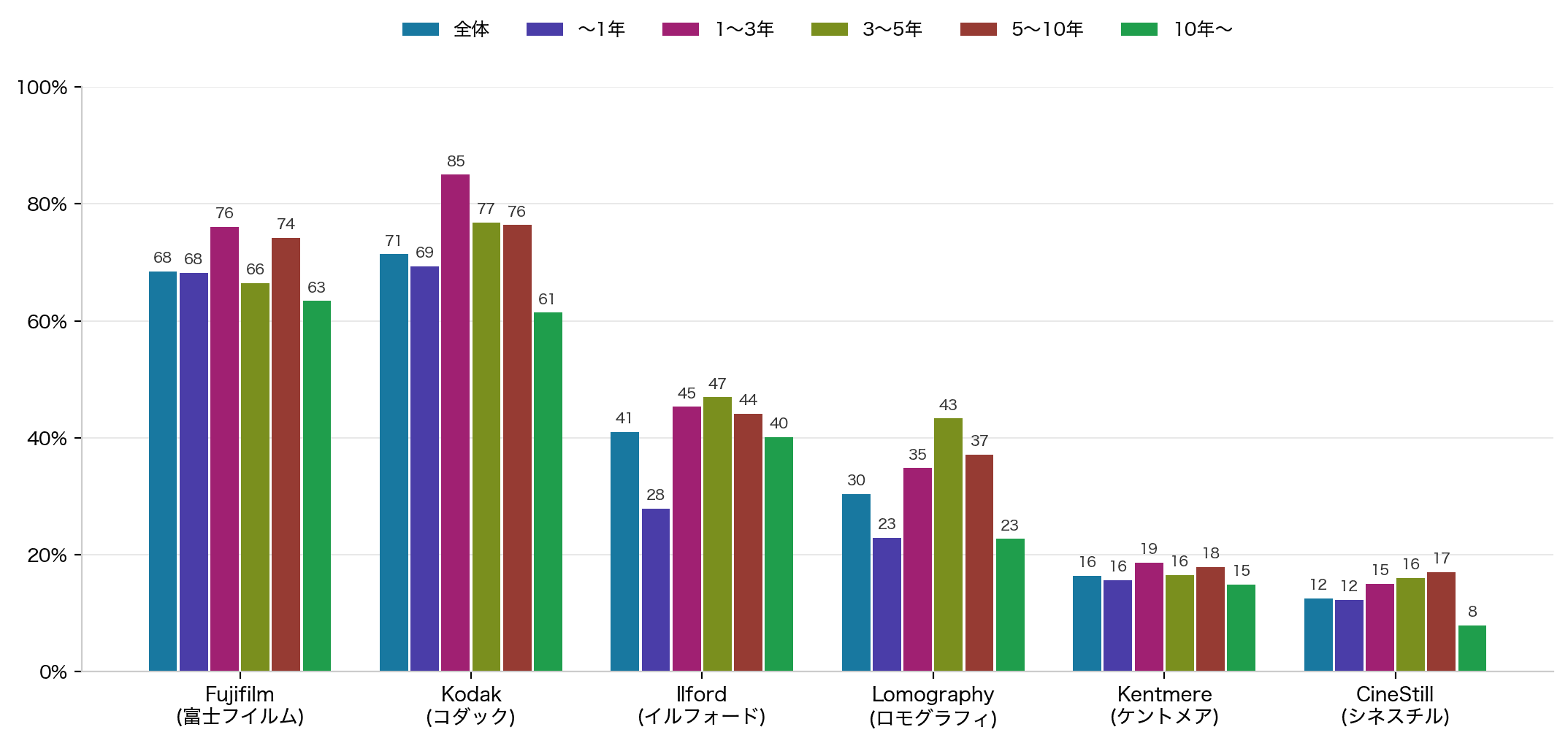 Figure 7: Film brands used in the past year, by years of experience (multiple answers)
Compared with last year's results, usage of the major brands fell across the board (Fujifilm 84%→68%, Kodak 81%→71%, Ilford 52%→41%, Lomography 38%→30%). The average number of brands used in a year, counted across the five major brands, fell from 3.0 to 2.2.
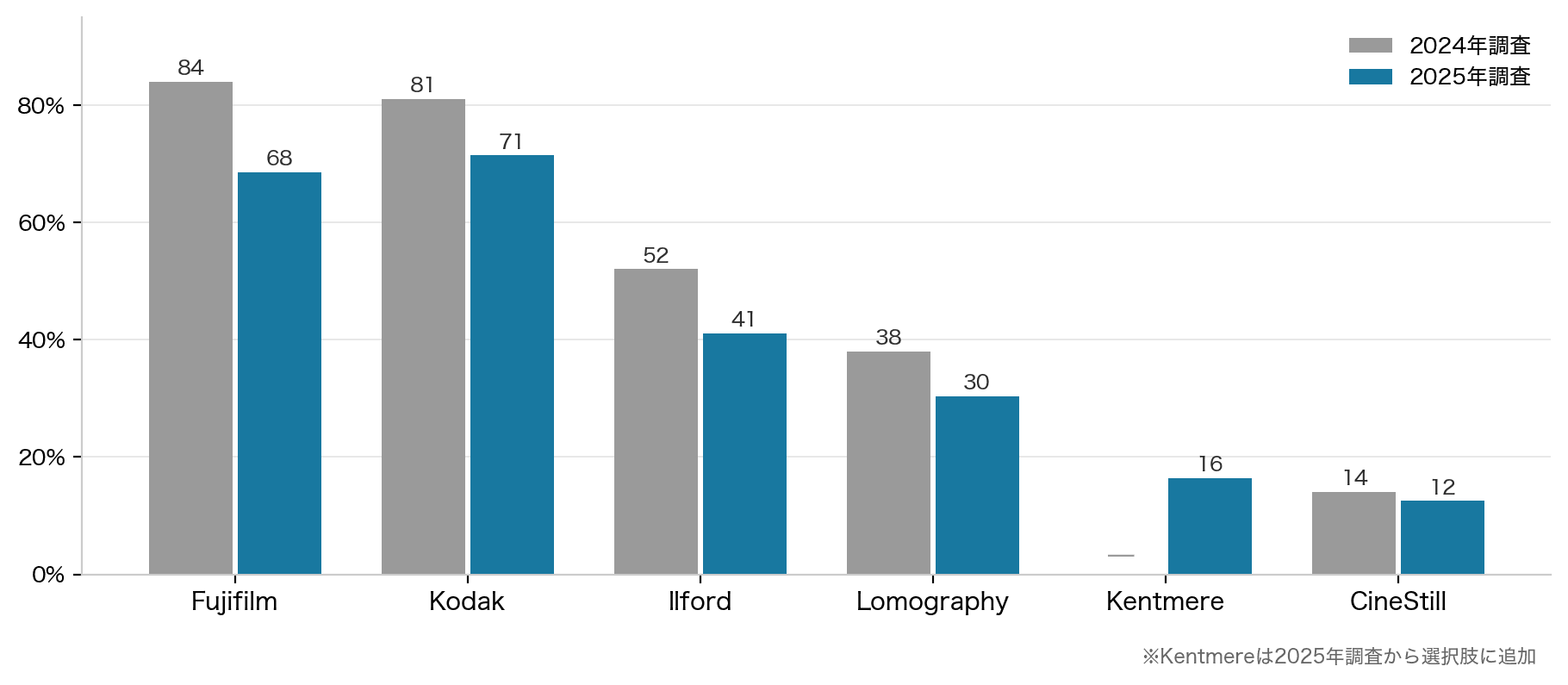 Figure 8: Film brands used in the past year (compared with the 2024 survey)
Amid repeated price increases, users may be holding back from trying different brands and narrowing down to a small number of go-to films. The high usage of black-and-white film, which is often cheaper than C-41, can also be read in this context.
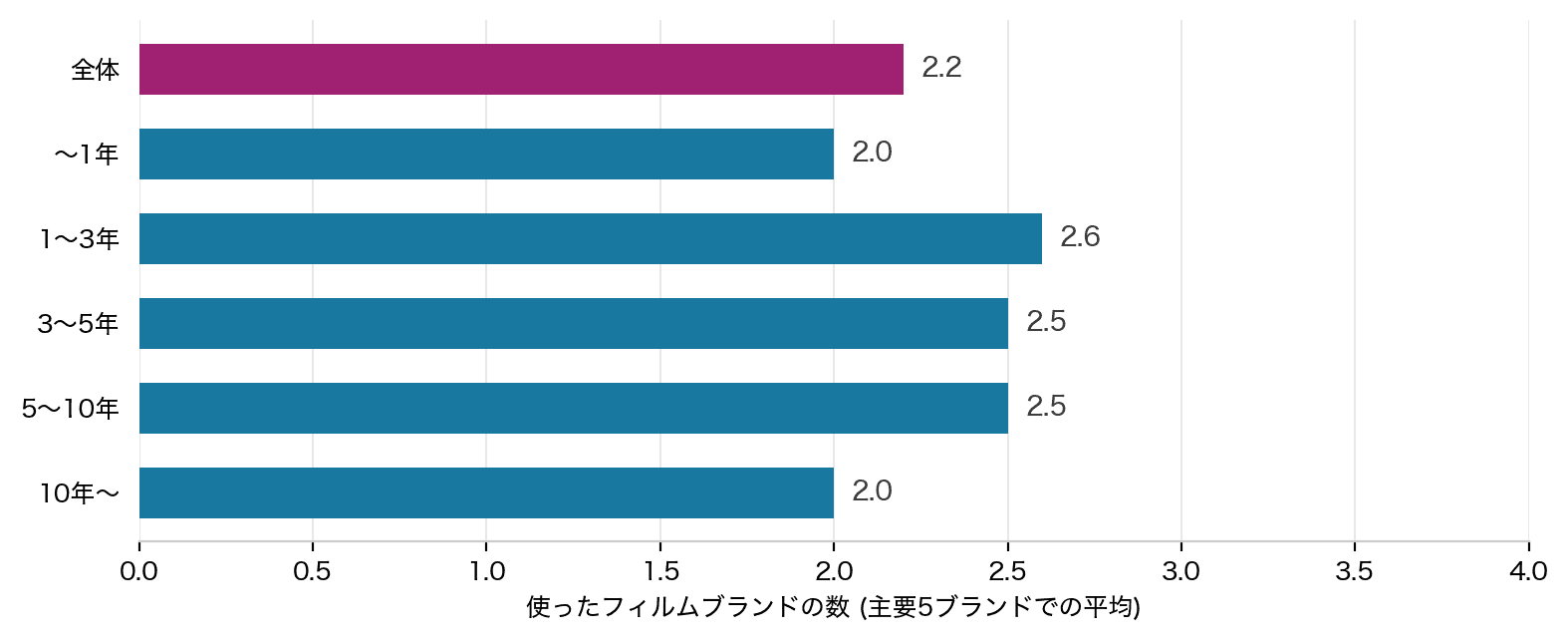 Figure 9: Number of film brands used in the past year, by years of experience
4-8. Number of Film Cameras Owned
The distribution of film cameras owned was nearly identical to last year, with "2–5" (43%) the most common and "10 or more" accounting for 26%. The tendency for more experienced users to own more cameras also held, with 42% of the 10+ years group owning 10 or more. By rough estimate, the average number owned was about 3.7 for those with less than a year of experience versus about 9.3 for those with 10+ years.
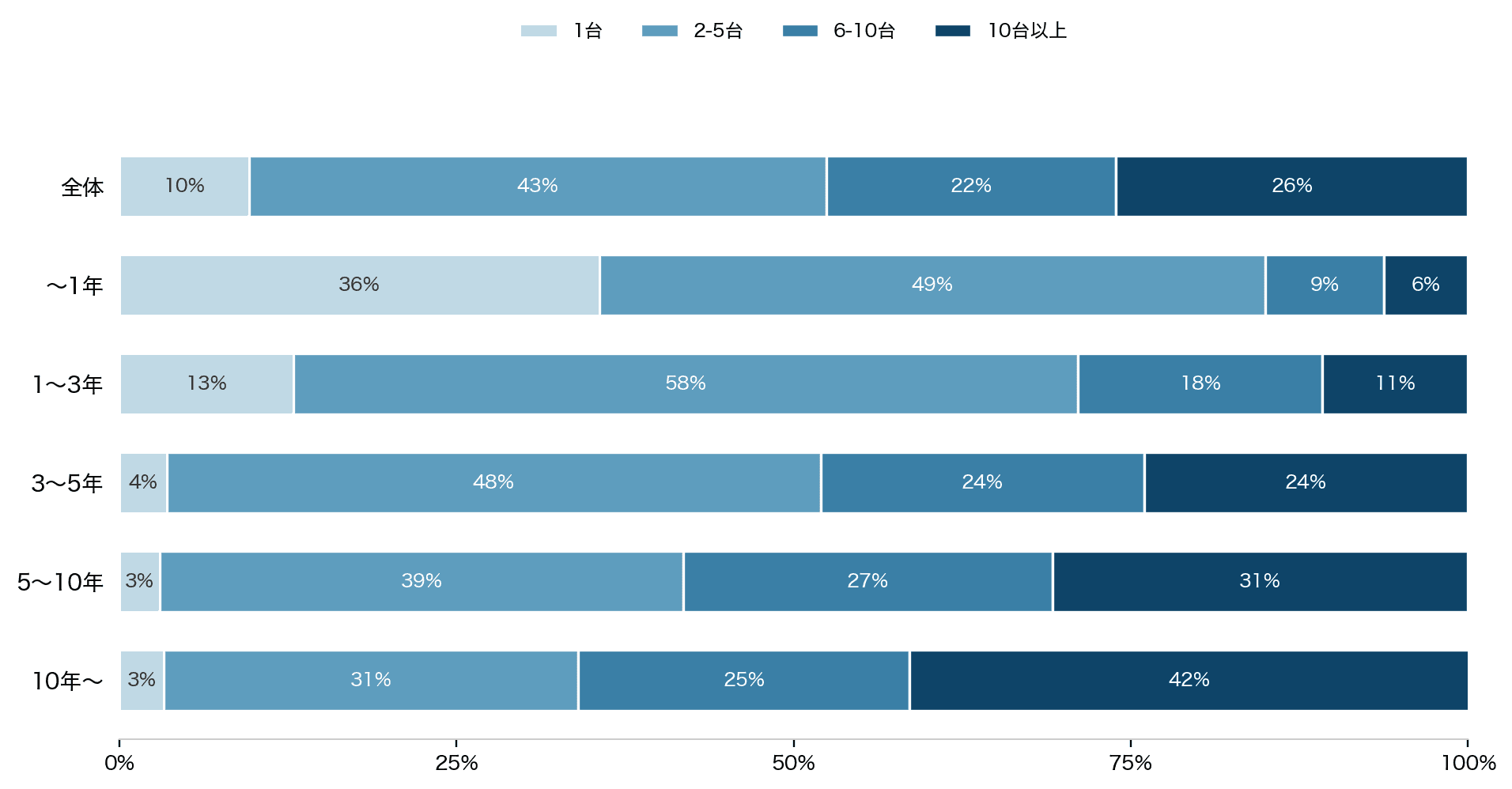 Figure 10: Number of film cameras owned, by years of experience
4-9. Film Users' Values
As last year, we asked about film users' values on a 10-point Likert scale. The highest average scores were "I like researching things" (7.6), "I like the technical side" (7.5), "I like the artistic side" (7.1), and "I want it to remain a subculture" (7.0). All seven items were within ±0.2 of last year.
The newly added item "Photography is a means of doing business" scored a strikingly low average of 1.5, confirming that for the vast majority of respondents, film photography is purely a hobby and a form of expression.
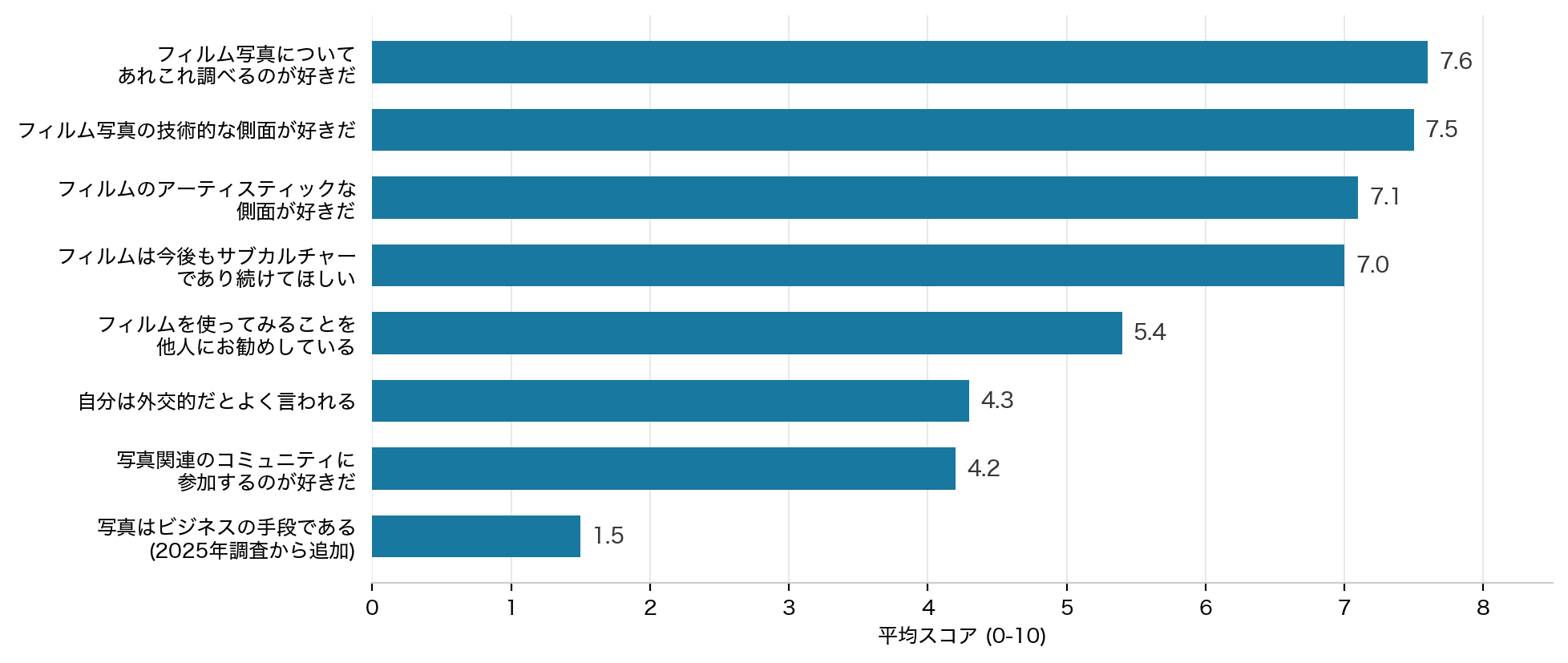 Figure 11: Film users' values, average scores
The correlation analysis showed the same structure as last year. People who "like researching things" are highly interested in the "technical" side (correlation coefficient 0.53), and those who "recommend film" also tend to be more outgoing and community-oriented.
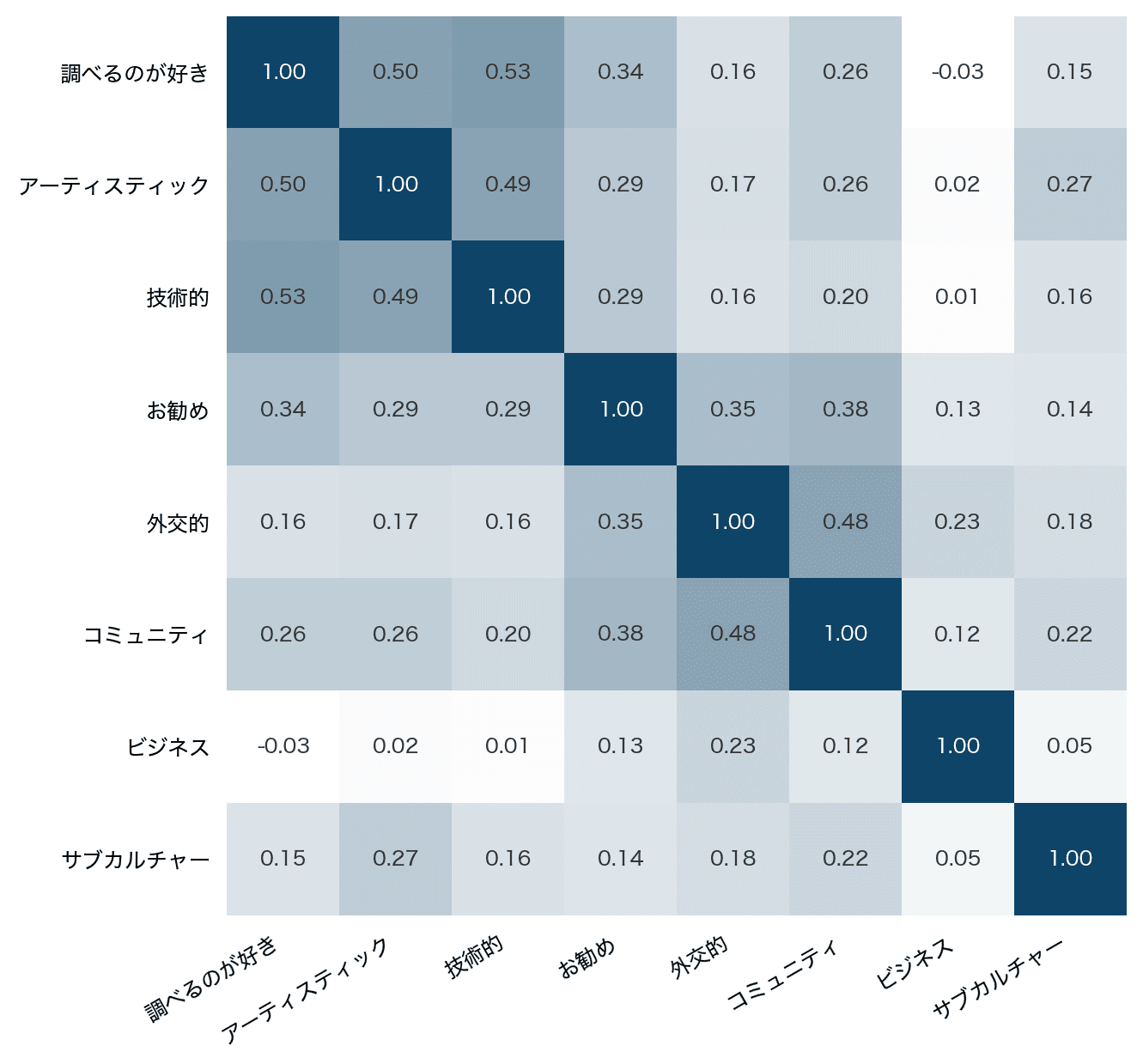 Figure 12: Film users' values, correlation analysis
4-10. How People Develop Their Film
Asked how they developed film over the past year, 67% sent everything to a lab, 25% used both labs and home development, and 8% developed everything themselves, almost unchanged from last year (67%, 26%, 7%). The tendency for home development to increase with experience was also the same as last year.
*Because this year's survey asked about development methods as a multiple-answer question, the results were re-tallied to match last year's single-answer categories.
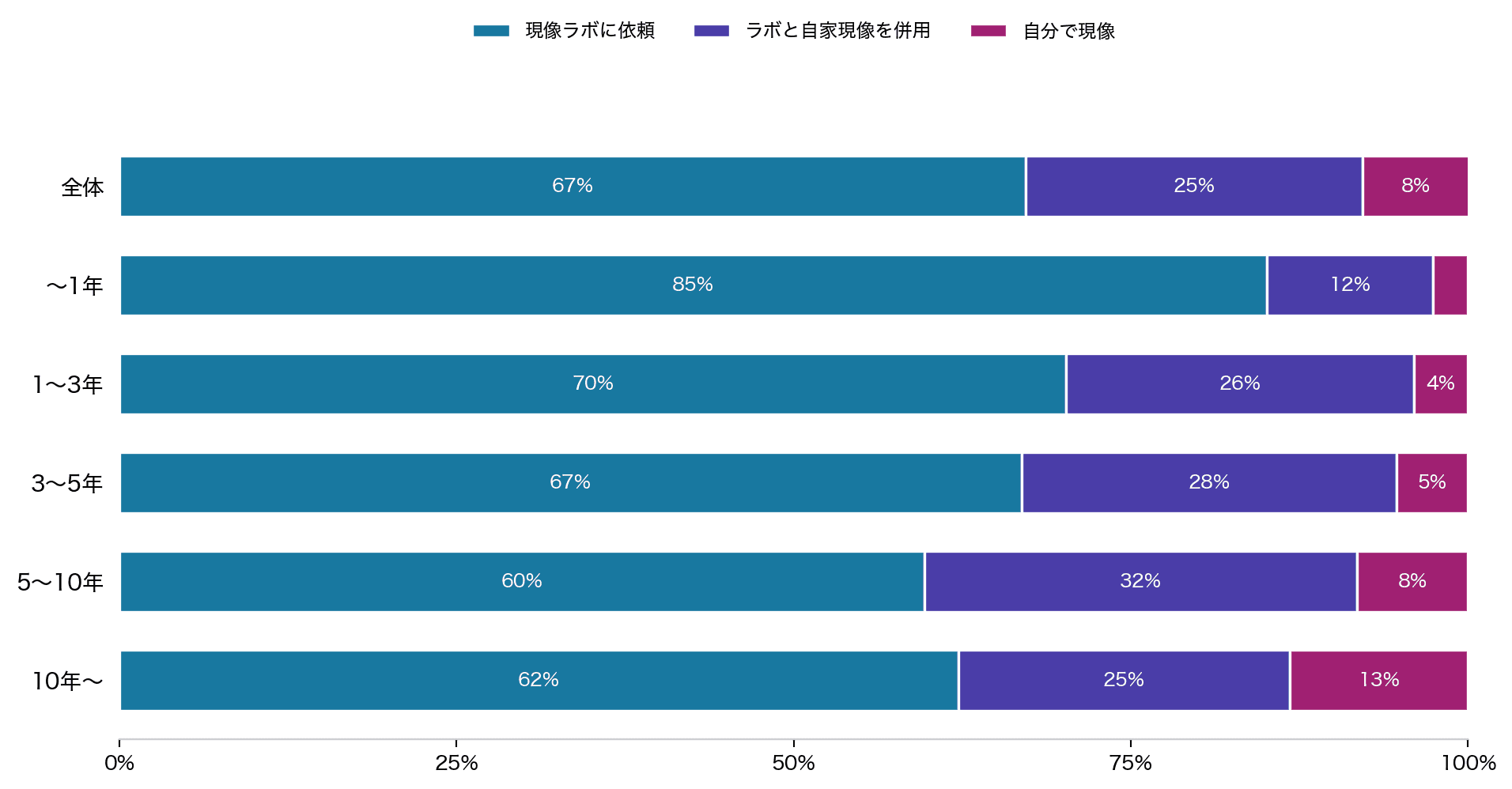 Figure 13: How people develop their film, by years of experience
4-11. What Matters When Choosing a Lab
This year we added a question asking respondents to rank the factors they consider when choosing a development lab. "Development and scan quality" was ranked first by the most respondents (41%), followed by "price" (24%) and "location" (20%). In average rank as well, quality (2.2) beat price (2.6), showing that even as cost awareness grows, what users want most from a lab is the quality of the results.
A free-text question asking for respondents' "favorite lab" drew 510 answers, naming many labs and photo shops across the country. Local labs clearly enjoy strong support.
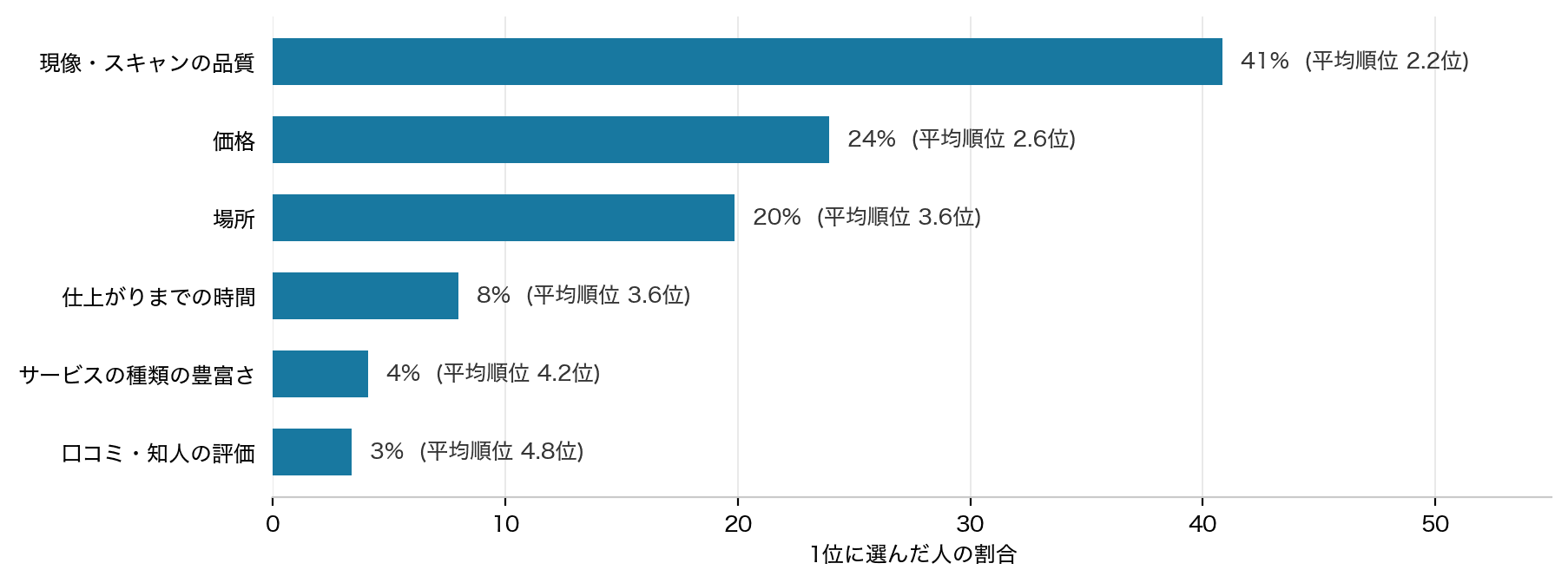 Figure 14: What matters when choosing a lab
4-12. Demographics
The demographics of survey participants are as follows. Figures in parentheses are the share of respondents to each question (demographic questions were optional, so there were about 1,090 responses).
Total valid responses: 1,337 (2024 survey: 802)
Years of experience with film photography
- Up to 1 year: 179 (13.4%)
- 1–3 years: 247 (18.5%)
- 3–5 years: 194 (14.6%)
- 5–10 years: 229 (17.2%)
- 10+ years: 484 (36.3%)
Region of residence
- Kanto (関東): 618 (57.0%)
- Kinki (近畿): 148 (13.6%)
- Chubu (中部): 100 (9.2%)
- Hokkaido (北海道): 69 (6.4%)
- Kyushu/Okinawa (九州・沖縄): 47 (4.3%)
- Tohoku (東北): 26 (2.4%)
- Hokuriku (北陸): 26 (2.4%)
- Chugoku (中国): 26 (2.4%)
- Overseas: 13 (1.2%)
- Shikoku (四国): 12 (1.1%)
Age group
- Teens: 31 (2.9%)
- 20s: 231 (21.3%)
- 30s: 274 (25.2%)
- 40s: 188 (17.3%)
- 50s: 236 (21.7%)
- 60s: 113 (10.4%)
- 70s and over: 13 (1.2%)
Compared with last year, the share with 10+ years of experience rose from 31.5% to 36.3%, and the share aged 50 and over rose from 26.8% to 33.3%, meaning participation by veterans and older age groups broadened this time. The regional distribution was nearly identical to last year. Since this report is built mainly around breakdowns by years of experience, changes in respondent composition should also be kept in mind when comparing overall figures year over year.
5. Takeaways
5-1. Cost headwinds continue, but users are adapting with ways to keep shooting
As last year, the top reason for shooting less film was "cost" (62%). Price increases did not let up in 2025: in June, Fujifilm revised its domestic prices for photographic film, raising color negative film by about 20% and reversal film by 30–50% (Fujifilm Imaging Systems). In its August 2025 earnings report, Eastman Kodak also expressed concerns about its funding situation, which was widely reported (Nikkei). The company's film business itself has a supply agreement with Kodak Alaris renewed through 2028, so supply is not about to be cut off immediately, but expectations that film prices will keep rising remain unchanged this year.
At the same time, this survey suggests that users are adapting to rising costs. By narrowing the number of brands they use (average 3.0→2.2), turning to cheaper Kentmere and black-and-white film (61% black-and-white usage), and taking up home development (33% with home development experience), they have kept their annual roll count per person (about 14 rolls of 35mm) from falling compared with last year. This points to a behavioral trait of film users: rather than quitting, they change how they shoot and keep going.
5-2. New cameras and new films really do get people moving
The top reason for shooting more was again "buying or acquiring a new camera" (19%). Several free-text answers mentioned specific models, such as "because I bought a PENTAX 17" and "the release of the PENTAX 17," confirming that this new model released in summer 2024 is actually working as a trigger for newcomers and increased shooting, and that the effect has lasted more than a year.
The flow of new cameras and services continued in some areas in 2025: Lomography released the LOMO MC-A, its first autofocus compact (Kosmo Foto), and MiNT Camera's Rollei 35AF became widely available.
There were also a string of new films. HARMAN released a new black-and-white film, Kentmere Pan 200, in May (PetaPixel), and an improved color negative film, Phoenix II, in July (Kosmo Foto). Kentmere's 16% usage rate in this survey underscores the strong demand for such new, affordable options. In addition, Fujifilm's release of the X half, a half-frame "digital" camera with the same angle of view as the Utsurundesu (写ルンです, QuickSnap) (Fujifilm), showed that the film-like shooting experience itself is now recognized as a market.
5-3. Development infrastructure is becoming the lifeline of the film experience
In the new question on choosing a lab, 41% put "development and scan quality" first, well ahead of "price" (24%). Even as prices keep rising, users want quality from their lab more than a low price. The "favorite lab" question drew as many as 510 answers, with many respondents expressing attachment to and trust in particular labs. This shows how much satisfaction with film depends on what happens after shooting.
On the other hand, some cited "the local lab closing" and "the hassle of sending film out" as reasons for shooting less. The finding that home development is more common among more experienced users (38% of those with 10+ years have developed at home) reflects not only how veterans enjoy film, but also an adaptation to a shrinking lab network. We hope these results, which clarify what users want from labs, will be useful to those involved in development services.
6. Next Survey
The "Film Photography Survey 2026" is scheduled to start again in November this year. Over two years of surveys, we have found that more responses translate directly into a more detailed picture. We would be grateful for your participation again next time, and for your help spreading the word on social media and elsewhere. We will announce the start of the survey on the FilmFocus website and social media.
7. About the Researcher and Contact
Researcher: Kimiyasu Morikawa (森川 公康)
After working as a startup CTO and at a foreign consulting firm, he has lived in New York since 2023. As Technical Team Lead at the New York Public Library, he leads projects developing digital archives and search systems for historical materials, including film. He is also active at a local film development lab. He graduated from the School of Political Science and Economics at Waseda University and is currently enrolled in the Master's program in Computer Science at the Georgia Institute of Technology.
Contact: kimiyasu.morikawa [at] gmail.com