GuidesBy FilmFocus
Phoenix 200 Is a Color Film Best Scanned with a Digital Camera
This is an AI translation of an article originally published in Japanese. If anything reads oddly, the Japanese original is the authoritative version.
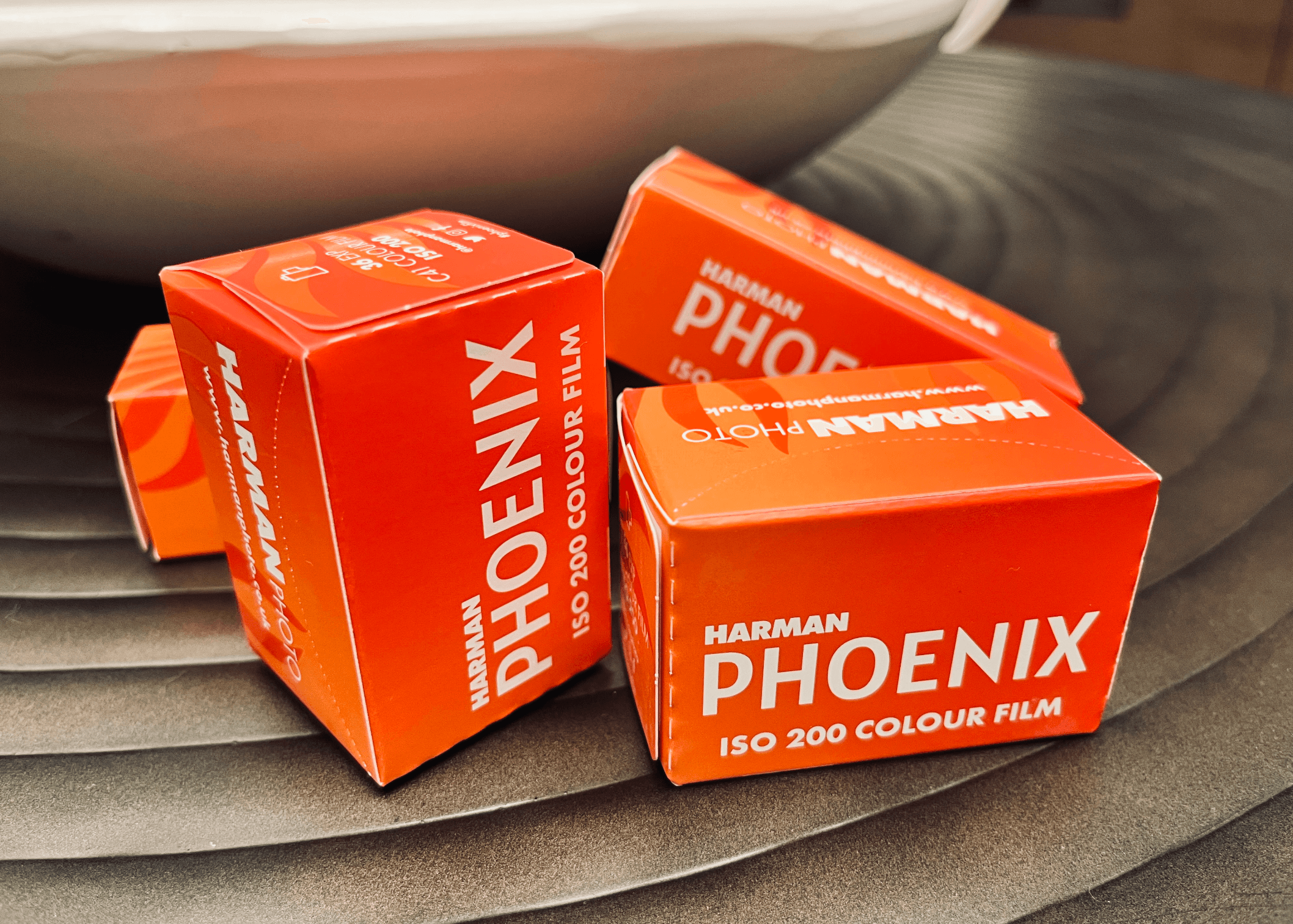
Released by Harman Technology in December 2023, Phoenix 200 drew a lot of attention as the first new color film to appear in quite some time.
Like the mythical bird, this new color film represents hope, rebirth and transformation. As Harman sets out to build a new legacy as one of the world's leading photographic film manufacturers, it is a major milestone: the first color film ever made entirely in-house, from emulsion to cassette.
The message on the packaging, quoted above, also states that sales of this film will be reinvested in R&D, conveying a clear commitment to continue developing new color films. At the same time, Harman acknowledges that the film is still a work in progress, describing it as "experimental in its nature with some quirky characteristics."
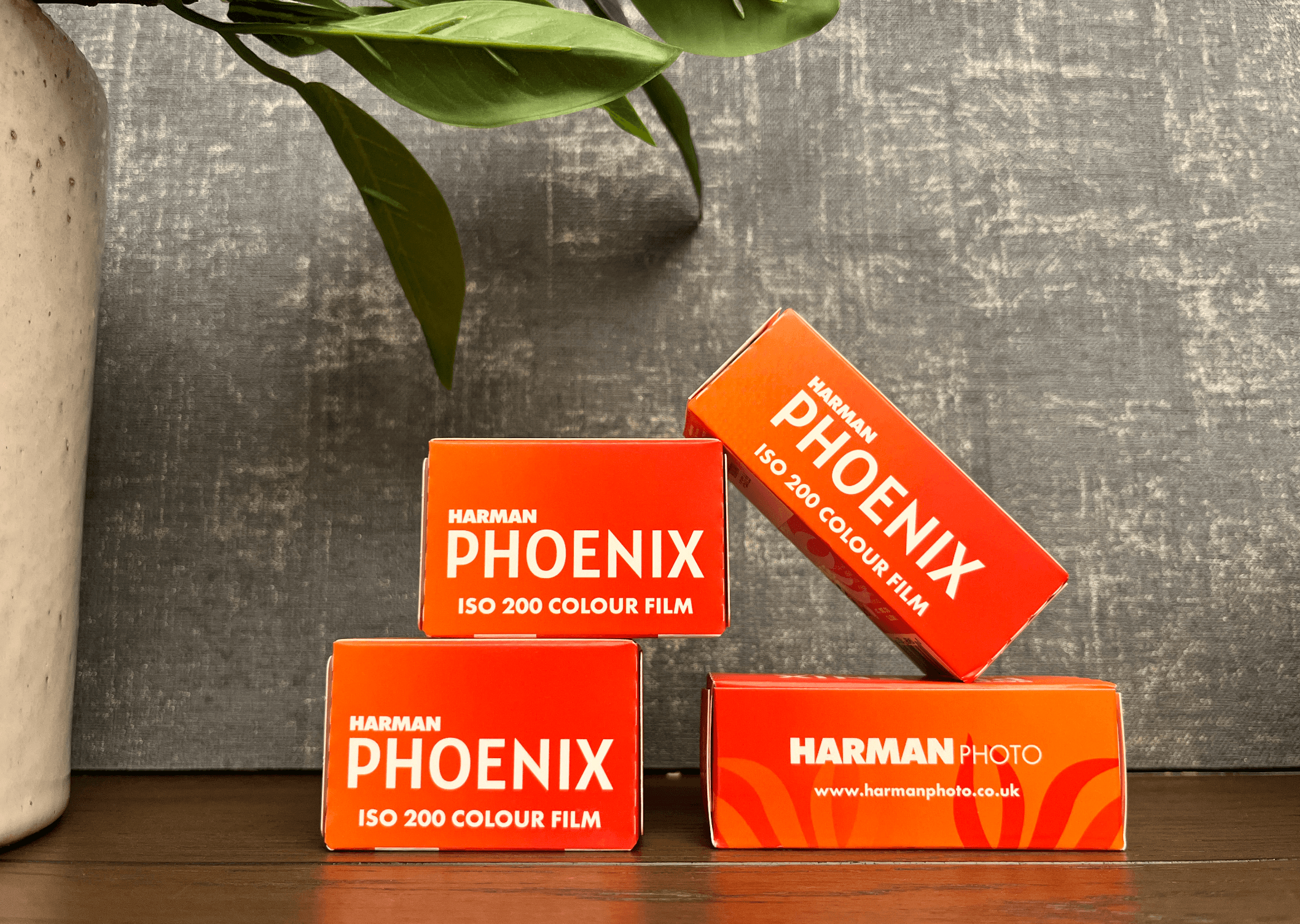
Now, about a year after its release, the characteristics of Phoenix 200 have become clearer. In particular, the results appear to vary greatly depending on how the film is scanned.
An episode of the Film Photography Podcast released in October included an interview with an Ilford/Harman representative, who said that "the film can be digitized on a lab scanner, but the best results come from scanning with a digital camera."
In its review "Harman Phoenix. The good, the bad and the ugly," the Spanish lab Carmencita Film Lab compares in detail the results of scanning with Fujifilm's Frontier series and Noritsu Koki's HS series, both widely used by labs around the world. In particular, the review points out that when Phoenix 200 is scanned on a Frontier, the contrast is exaggerated and shadow detail is lost.
In addition, Kyle McDougall, who has published many videos on developing and scanning film, goes into detail in his video "Harman Phoenix 200 - A Very Different Colour Negative Film" about the distinctive colors and tones he got when digitizing the film with a GFX 50R and Negative Lab Pro. In the second half of the video, Kyle discusses what changes when the film is shot at ISO 100. He says grain improves at ISO 100, but notes that the colors shift toward red. Color balance is best at ISO 200, as stated on the box, but in scenes where grain or shadow gradation matters, overexposing by 0.5 to 1 stop seems to make good results easier to achieve.
In short, Phoenix 200 was brought to market with its experimental elements intact, and opinions on it differ depending on shooting conditions and scanning method. A 120-format version was released this September, and we look forward to seeing new versions follow.