NewsBy FilmFocus
Kodak Moves to Restrict Distribution of Motion Picture Film, Possibly Affecting Respooled Resales
This is an AI translation of an article originally published in Japanese. If anything reads oddly, the Japanese original is the authoritative version.
With demand for photographic film on the rise, news that Kodak has begun restricting sales of its motion picture film is drawing attention. Until now, the company has sold reels made for motion picture use to businesses and individuals who weren't using them to shoot films. It is now becoming clear that Kodak may limit supply to businesses that don't intend to use the film for motion picture production.
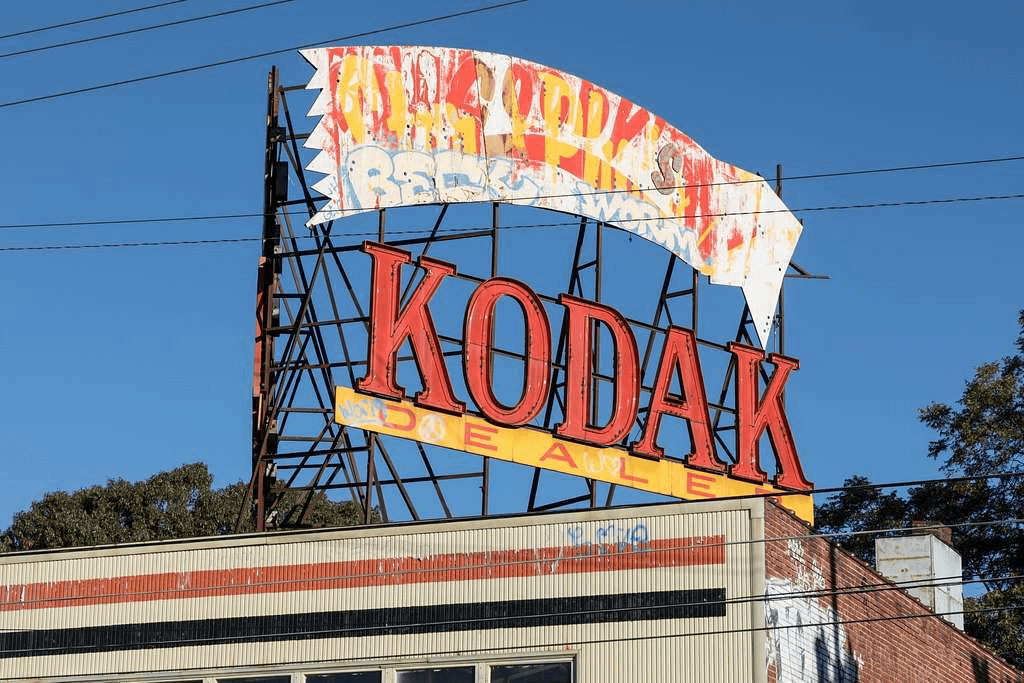
Respooling for resale refers to taking motion picture film already in circulation, dividing it up, and rewinding it into still photography formats such as 35mm for resale. These films retain the characteristics designed for motion picture use, but their defining feature is that they are made usable as ordinary photographic film by removing the remjet layer (a layer that requires special handling during development) or by loading the film into cartridges.
 Source: cinestillfilm.com
The best-known brand in this category is CineStill, which has been growing its business this way since 2012. Its flagship product, 800T, for example, is known to be Kodak's cinema film "Vision3 500T" respooled for still use, with the remjet layer removed in advance so it can be processed in C-41. According to blog posts and other sources outside Japan, CineStill is believed to have a special business relationship with Kodak, and there is speculation that it may escape the effects of this policy change.
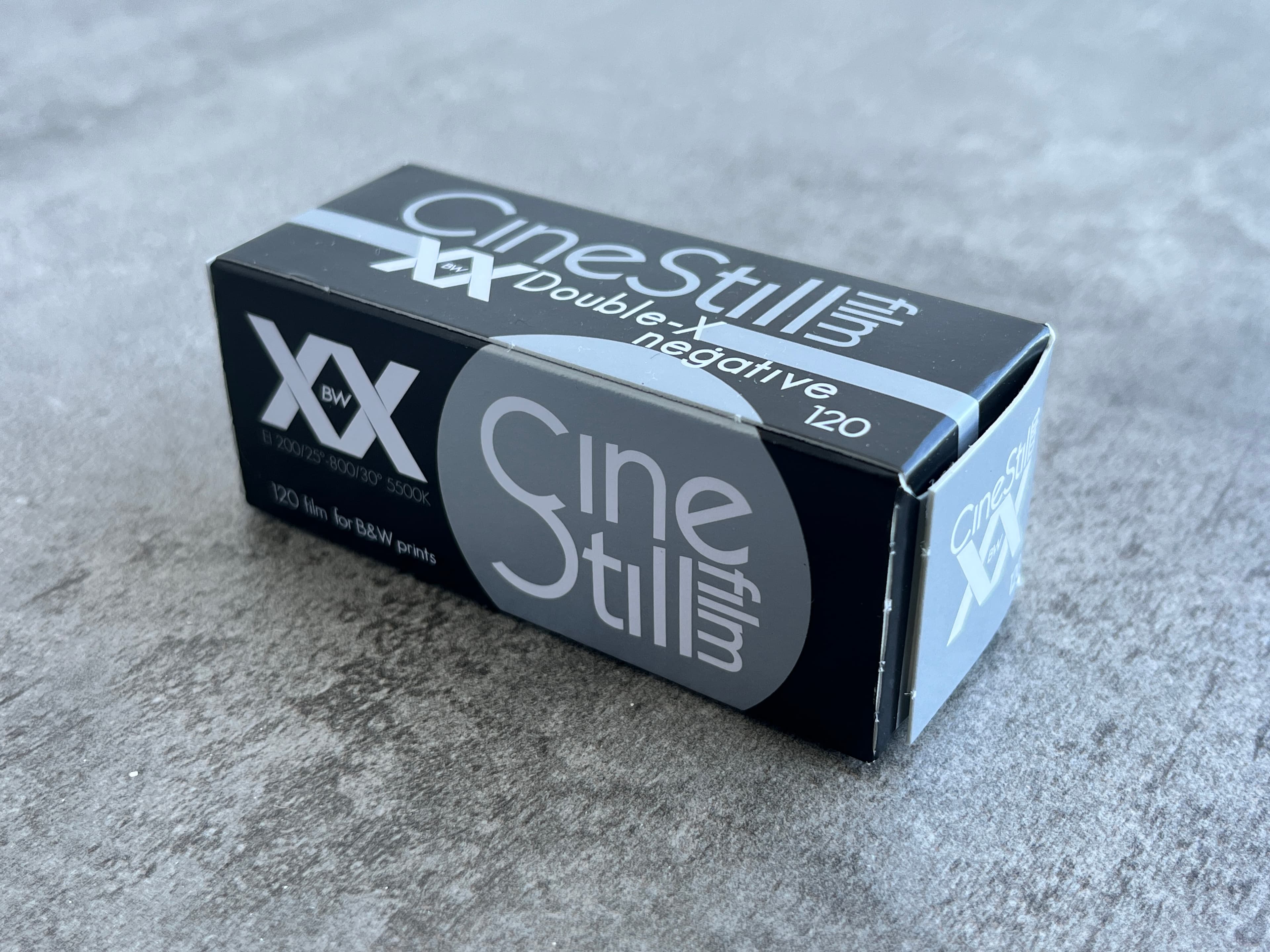 CineStill BWXX is based on Kodak Double-X (5222), the film also used for the movie Oppenheimer
Meanwhile, several brands besides CineStill have entered this respooled film market. Labels such as Reflx Lab, for example, have also been selling rewound motion picture film. However, Kodak reportedly requires documentation proving the film will be used for motion picture production (such as the names of the director and producer and the title of the work) before it will sell, and once this policy takes effect, the hurdle for these smaller respoolers to buy film directly is expected to rise considerably. In fact, Reflx Lab has reportedly been forced to source film from a wholesaler other than Kodak as a result.
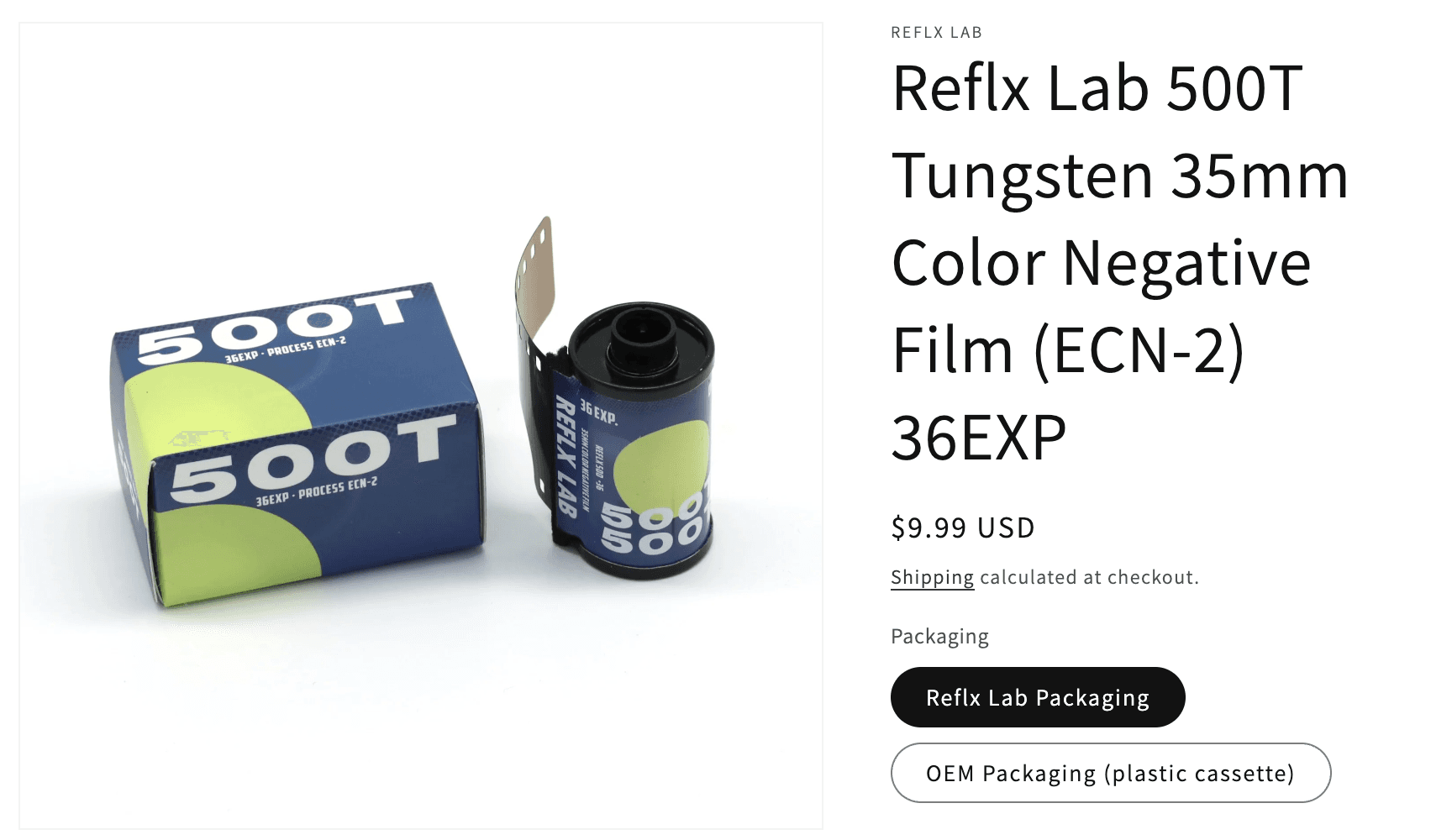 As of January 2025, Reflex Lab continues to sell respooled film
In the short term, there are concerns that these moves will narrow the channels through which film can be obtained. On the other hand, Kodak is expanding its film production capacity, and Kodak Alaris, which handles sales of still photography film, has overhauled its management, so the company is also going through a period of organizational change. Given this situation, some are speculating that the policy change may be groundwork for Kodak itself to officially sell respooled versions of the film. The possibility can't be ruled out that motion picture film, which until now has been sold off in bulk, could eventually be released as an official product for general consumers.
Much remains unclear at this stage, but it looks like we'll need to keep a close eye on how the choices available in the film market change from here.