NewsBy FilmFocus
Kodak TRI-X (400TX) Turns 70
This is an AI translation of an article originally published in Japanese. If anything reads oddly, the Japanese original is the authoritative version.
TRI-X 400 (400TX), the black-and-white film Kodak still sells today, was released in November 1954. Refined through many small improvements over the years, the long-selling TRI-X 400 marks its 70th anniversary this month.
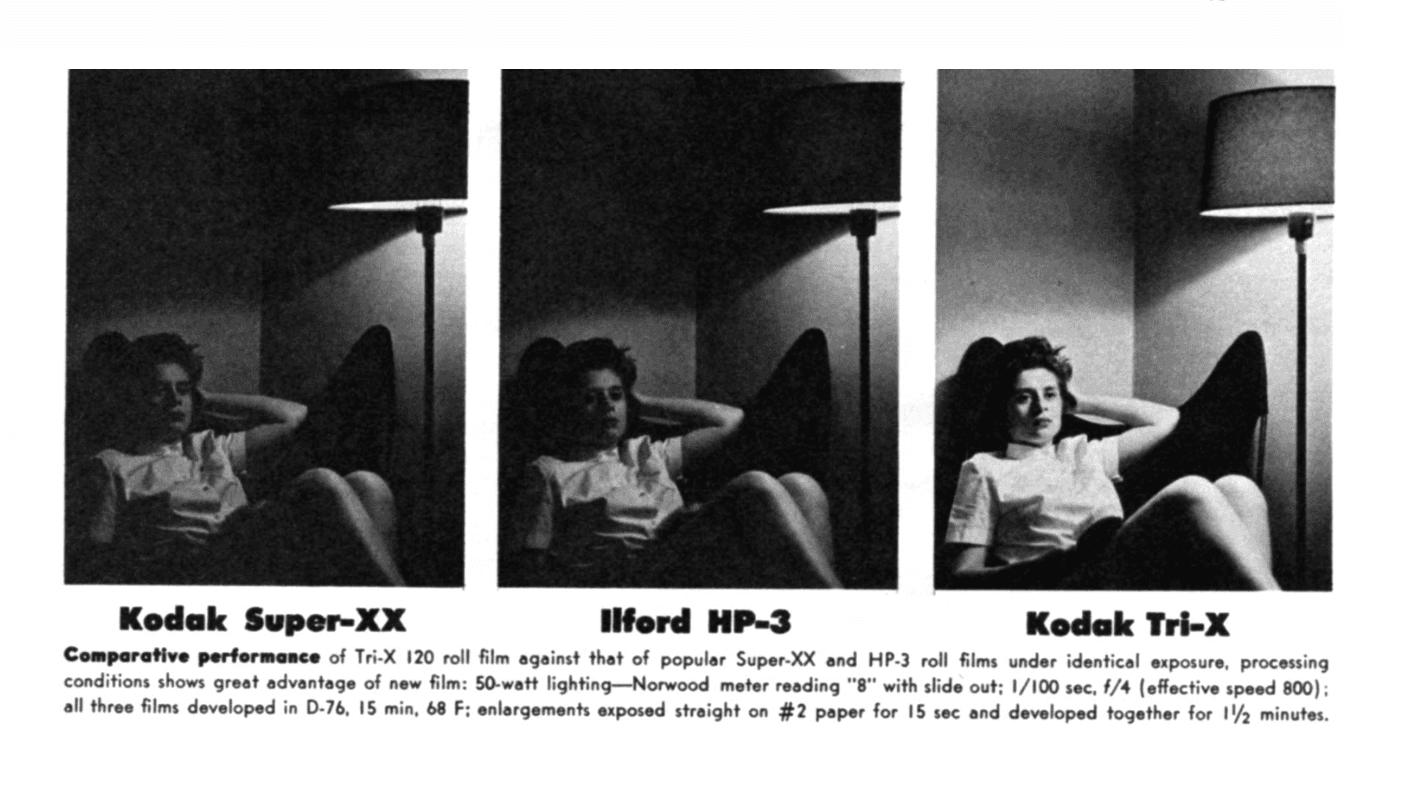 A period article from the film's launch, comparing it with Ilford HP-3 and Kodak Super-XX (Source: mikeeckman.com)
Keppler's Vault 50: Kodak Tri-X - mike eckman dot com presents material from the time of TRI-X 400's release. When TRI-X came out, the fastest films available were Kodak Super-XX and Ilford HP-3 (the predecessor of HP-5). Super-XX was also known as Double X, and it seems the new film, faster still than Super-XX, was named Triple-X — in other words, TRI-X.
TRI-X made it possible to shoot in dim conditions such as live music, which had previously been difficult, as well as sports photography that demands fast shutter speeds. In the 1960s, the film was also released in Super 8 format, bringing high ISO speed to motion picture shooting as well.
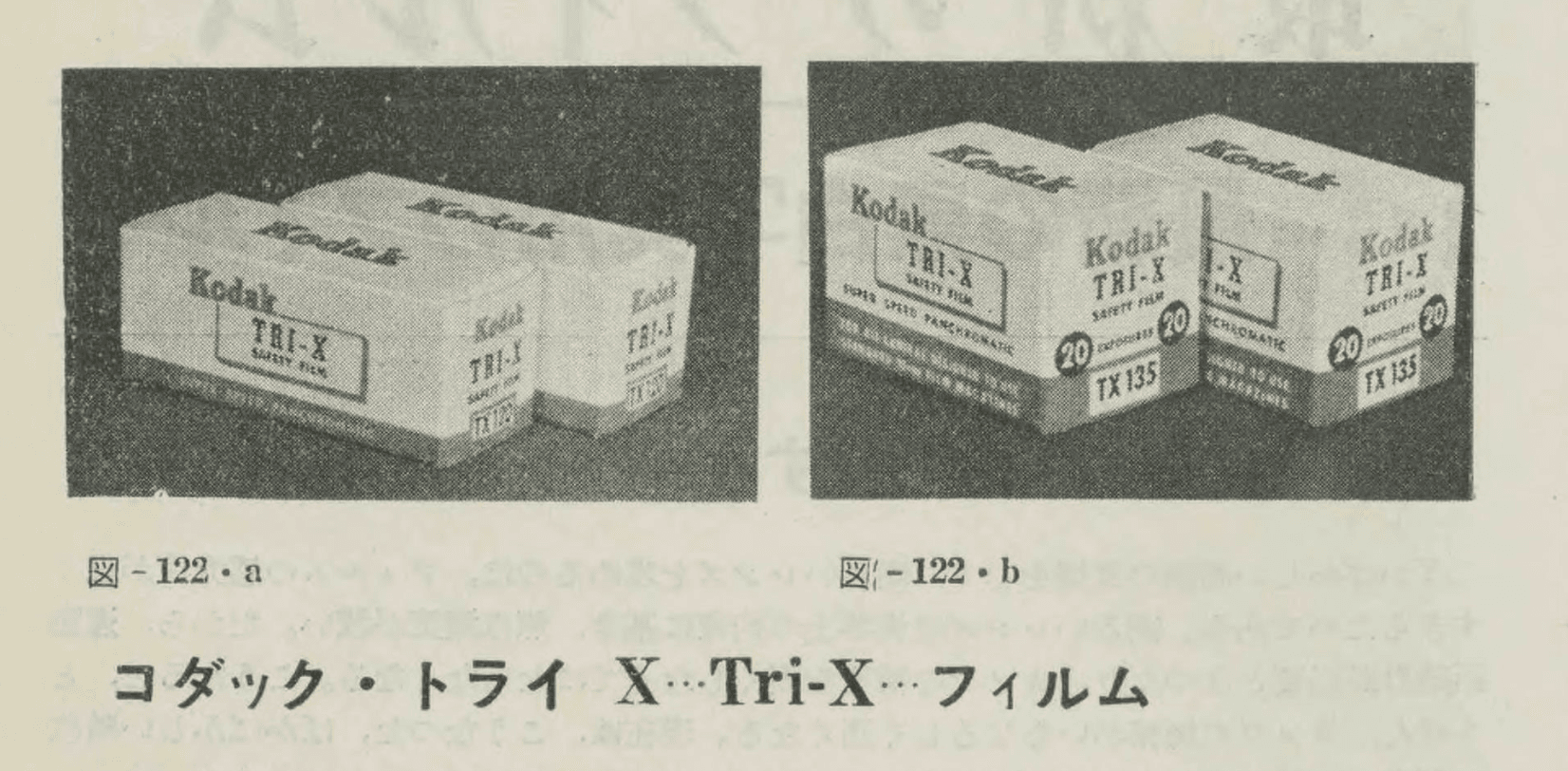 Source: Sawa Kuro, Sawa Shashin Gijutsu Koza, Vol. 6 (Kindai Shashin Gijutsu) (1956)
According to Sawa Kuro's Sawa Shashin Gijutsu Koza (佐和写真技術講座, "Sawa Course in Photographic Technique"), TRI-X went on sale in Japan in 1955. The book praises it, saying that "in every characteristic, it is superior to the existing Super-XX" and that it represents "a remarkable advance in photographic emulsions, worthy of special mention." (The book is an extremely valuable resource for understanding the history of photographic technology in postwar Japan. It is also available in the National Diet Library Digital Collections, and we recommend giving it a read if you're interested.)
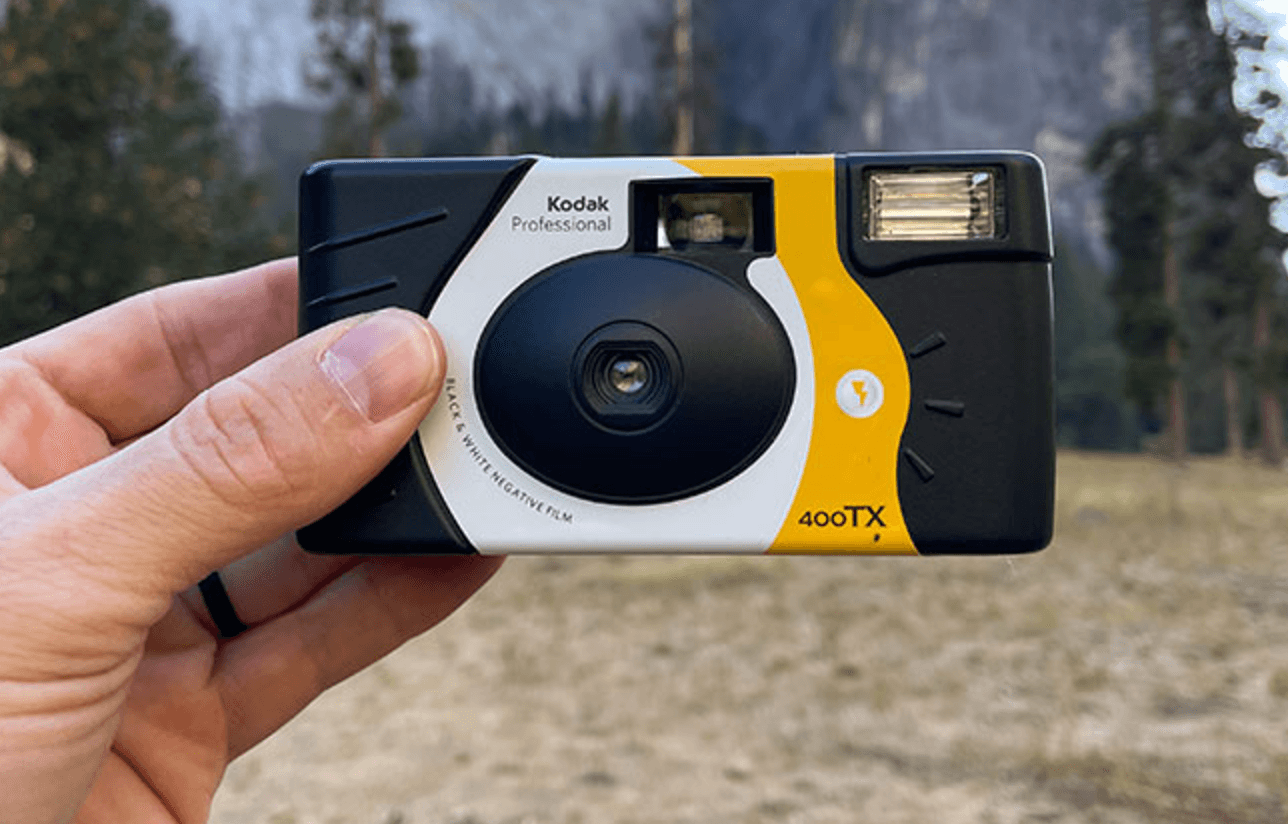 A disposable camera loaded with TRI-X (Source: thedarkroom.com)
In 2021, a disposable camera loaded with TRI-X was released in the United States. As of 2024, TRI-X remains a valuable presence as one of the most readily available high-speed black-and-white films, alongside Ilford HP5, and we hope it continues to be loved by fans for many years to come.